
Dunwoody Hoarding Cleanup Services
Choose our hoarding cleanup team for respectful, judgment-free service that restores safety and comfort to your home—trusted by Dunwoody families for our expertise and care.
Get a Free QuoteOur Dunwoody Junk Removal Services
Hoarding Cleanup in Dunwoody, GA – Local Service Guide
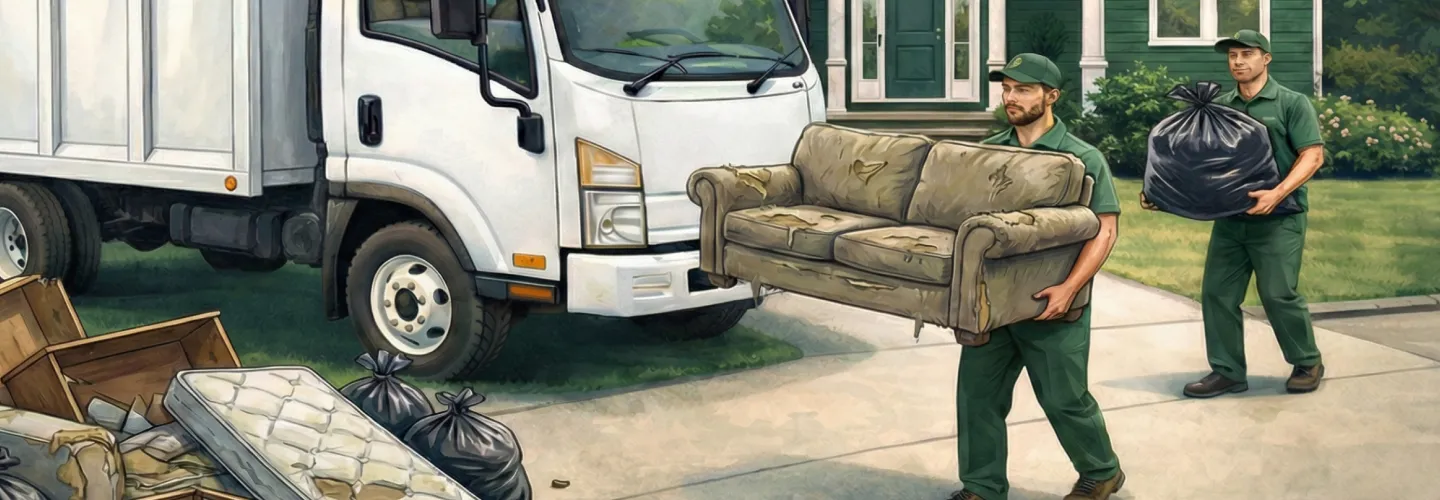
Hoarding cleanup in Dunwoody, GA requires a sensitive, strategic approach tailored to local needs. In neighborhoods like Georgetown and Wyntercreek, residential hoarding often involves large items—furniture, mattresses, appliances—typically triggered by life transitions, seasonal upgrades, or storm damage. Local disposal options include donation centers and city recycling programs, but access and weather can impact logistics, especially for oversized items or properties with limited driveway space. For residential spaces such as garages, basements, and yards, spring and fall cleanouts are common, particularly after heavy rains or during yard waste cycles. Areas prone to flooding or with dense tree coverage, like those near Brook Run Park, may need more frequent attention and coordination with city trash pickup schedules. Commercial properties in Dunwoody Village and Perimeter Center face unique challenges, from discreet after-hours cleanouts in medical offices to high-volume removals for retail and hospitality. Specialty services—such as estate, foreclosure, or construction debris cleanup—require careful planning, often involving multiple stakeholders and strict timelines. For guidance on local disposal rules and permits, consult the Dunwoody Public Works Department.
Key Considerations for Hoarding Cleanup in Dunwoody
- Timing cleanouts around local weather and city pickup schedules
- Securing necessary permits for large-scale removals
- Choosing proper disposal or recycling channels for various item types
- Ensuring property access for trucks and crews, especially in tight neighborhoods
- Estimating volume and coordinating with city or private haulers
- Addressing category-specific needs, such as hazardous materials or specialty items
Benefits of Hoarding Cleanup in Dunwoody
Professional Hoarding Cleanup Experts
Discreet and Compassionate Service
Fast Response Times
Thorough Sanitization and Odor Removal
Customized Cleanup Plans
Licensed and Insured Team
Coordinating Hoarding Cleanup with Dunwoody Code Enforcement and DeKalb County Health Services
Hoarding situations in Dunwoody often involve code enforcement action through the city's Community Development Department, which oversees property maintenance standards and building safety. Properties exhibiting hoarding conditions may violate local ordinances related to fire egress, structural load limits, pest harborage, and sanitation. Because Dunwoody is located within DeKalb County, public health interventions—including environmental health inspections and biohazard assessments—are coordinated through county-level agencies.
- Code violations may include blocked exits, obstructed windows, and compromised structural integrity
- Fire safety concerns require coordination with DeKalb County Fire Rescue for clearance inspections
- Health hazard abatement may be ordered when mold, vermin, or biohazard conditions are documented
- Building inspections are required post-cleanup if structural damage is identified
- Permit requirements apply when renovation or demolition work follows the cleanout phase
Dunwoody Community Development Department
41 Perimeter Center East, Suite 250, Dunwoody, GA 30346
Phone: (678) 382-6800
Official Website: Dunwoody Community Development
Residents and property owners should contact Community Development early in the process to understand which violations must be remediated and what inspection milestones are required before a property can be deemed compliant.
Biohazard Disposal and Hazardous Material Handling During Dunwoody Hoarding Remediation
Hoarding environments frequently contain hazardous materials that require specialized handling under both Georgia and federal regulations. The Georgia Environmental Protection Division oversees solid waste management and hazardous waste disposal requirements statewide, including proper classification and transport of contaminated materials generated during hoarding cleanup.
- Biohazardous waste such as animal waste, human waste, and blood-borne pathogen materials must be handled by licensed medical waste transporters and cannot enter the municipal solid waste stream
- Household hazardous waste including paints, solvents, pesticides, cleaning chemicals, and propane tanks must be taken to DeKalb County's periodic Household Hazardous Waste collection events—not placed in curbside trash
- Asbestos-containing materials found in pre-1980 homes require a licensed abatement contractor and must be tested before disturbance per EPA regulations
- Lead paint in pre-1978 structures requires compliance with the EPA Renovation, Repair, and Painting Rule, mandating certified renovators use lead-safe work practices
- Sharps and needles must be placed in puncture-resistant containers and disposed of through approved medical waste channels
Workers performing hoarding cleanup must use appropriate personal protective equipment including respirators, gloves, and protective suits when biohazard or chemical exposure risks are present.
Dunwoody's Bulk Waste Disposal and Material Sorting Requirements for Hoarding Cleanouts
Hoarding cleanouts generate significant volumes of mixed waste that must be properly sorted before disposal. Dunwoody contracts residential sanitation services through DeKalb County's waste management framework, and residents must comply with sorting and separation requirements to avoid disposal violations. Large-scale cleanouts typically exceed standard curbside collection limits and require coordination with licensed commercial haulers.
- Recyclable materials including cardboard, paper, plastics, glass, and metals must be separated from general waste per DeKalb County recycling guidelines
- Electronics and e-waste such as televisions, computers, and monitors cannot be placed in regular trash and should be taken to designated e-waste recycling drop-off locations
- Appliances containing refrigerants (refrigerators, air conditioners, freezers) require certified refrigerant recovery under EPA Section 608 before disposal
- Mattresses and furniture in salvageable condition may be donated to local organizations; damaged items require bulk waste disposal arrangements
- Scrap metal should be separated for recycling to support landfill diversion efforts
Dunwoody Public Works Department
41 Perimeter Center East, Suite 250, Dunwoody, GA 30346
Phone: (678) 382-6850
Official Website: Dunwoody Public Works Department
Commercial haulers performing hoarding cleanouts must maintain proper licensing and ensure waste is transported to permitted disposal facilities in compliance with Georgia solid waste regulations.
Stormwater Protection and Environmental Compliance During Dunwoody Hoarding Cleanup Operations
Hoarding cleanup operations that involve exterior accumulation or debris staging must comply with Dunwoody's stormwater management regulations. The city's Stormwater Division enforces pollution prevention measures to protect local waterways, including Nancy Creek and the Chattahoochee River watershed. Improperly managed cleanup debris can introduce pollutants into the municipal storm drain system.
- Debris staging areas must be covered or contained to prevent materials from entering storm drains during rain events
- Liquid waste including cleaning chemicals, contaminated water, and solvents must never be discharged into storm drains or onto open ground
- Exterior accumulation removal should include sweeping and containment to prevent sediment and small debris from reaching drainage infrastructure
- Yard waste and organic matter accumulated during hoarding situations must be separated and composted or disposed of through approved green waste channels
- Cleanup contractors should implement best management practices including silt fencing or berms when working near drainage features
The Dunwoody Sustainability Committee provides additional guidance on environmentally responsible waste management practices and landfill diversion strategies that apply to large-scale residential cleanout projects.
Mental Health Resources and Social Services Coordination for Dunwoody Hoarding Cases
Effective hoarding cleanup in Dunwoody requires coordination beyond physical waste removal, as hoarding disorder is recognized as a mental health condition by the American Psychiatric Association. Successful remediation typically involves collaboration between cleanup professionals, mental health providers, and social services agencies to address underlying causes and prevent recurrence.
- DeKalb County Community Services offers behavioral health referrals and case management for residents experiencing hoarding disorder
- Adult Protective Services may be involved when hoarding conditions endanger vulnerable adults or when self-neglect is identified
- Dunwoody Police Department community officers may initiate welfare checks that identify hoarding conditions requiring intervention
- Code enforcement coordination through Dunwoody Community Development can establish compliance timelines that accommodate therapeutic intervention alongside physical cleanup
- Hoarding task forces operating at the county level bring together fire, health, code enforcement, and mental health professionals for comprehensive case management
Dunwoody Police Department
41 Perimeter Center East, Suite 250, Dunwoody, GA 30346
Phone: (678) 382-6900
Official Website: Dunwoody Police Department
Cleanup professionals working in hoarding environments should be trained in trauma-informed approaches and maintain communication with the resident's support team throughout the remediation process.
What Neighborhoods Do We Serve Throughout Dunwoody, GA?
- Georgetown: This established single-family neighborhood features homes built in the 1970s and 1980s, where pre-1978 structures may require lead paint assessment during hoarding cleanup. Mature tree canopy and cul-de-sac layouts may limit large truck access for debris removal.
- Dunwoody Village: The commercial and residential core near the historic village center includes older ranch-style homes and townhomes. Proximity to local donation drop-off points facilitates salvageable item diversion during cleanout operations.
- Winters Chapel: A diverse area with a mix of single-family homes and multi-family apartment complexes. Multi-unit hoarding situations may require coordination with property management and compliance with building access protocols.
- Branches: This subdivision of larger single-family homes typically offers wider driveways and garage access, facilitating staging and loading during extensive hoarding remediation projects.
- Jett Ferry: Residential properties near the Jett Ferry Road corridor include homes dating to the 1960s and 1970s. Older construction may necessitate asbestos and lead paint screening before structural cleaning begins.
- North Shallowford: A neighborhood with a mix of townhome communities and single-family residences near major roadways. HOA regulations in townhome communities may impose scheduling restrictions and exterior staging limitations during cleanup operations.
- Perimeter Center: This commercial and high-density residential district includes condominiums and apartment towers requiring service elevator reservations, building management coordination, and certificate of insurance documentation for hoarding cleanup access.