
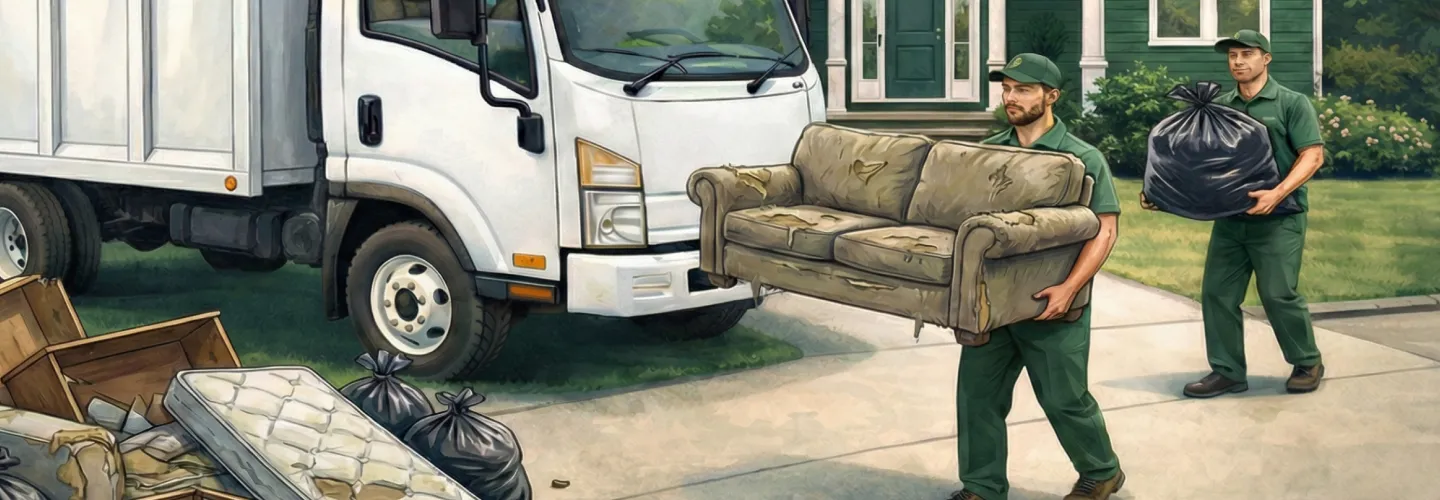
Dunwoody Restaurants Junk Removal Services
Choose our Restaurants Junk Removal for prompt, professional service that keeps your kitchen clutter-free and compliant—so you can focus on serving your customers, not managing waste.
Get a Free QuoteOur Dunwoody Junk Removal Services
Restaurants Junk Removal in Dunwoody, GA – Local Service Guide
Restaurants in Dunwoody, GA, from bustling Perimeter Center eateries to cozy spots near Dunwoody Village, face unique junk removal needs. Whether it’s replacing kitchen equipment, clearing out old furniture, or managing seasonal renovations, local restaurants must coordinate timely and discreet removal to avoid disrupting operations. Many establishments schedule pickups after hours or between service shifts, especially in high-traffic areas like Georgetown. Proper disposal is crucial—appliances and electronics may be recycled, while furniture and scrap metal can often be donated or responsibly discarded. For larger projects, such as post-renovation cleanouts or bulk waste from menu overhauls, planning with local haulers ensures compliance with city guidelines and minimizes downtime. Restaurants should also be aware of Dunwoody’s specific rules for commercial waste and recycling, which can be found on the Dunwoody Public Works Department website.
Key Considerations for Restaurants Junk Removal in Dunwoody
- Schedule pickups to avoid peak dining hours and minimize disruption
- Check for required permits or special disposal rules for commercial waste
- Use approved recycling and donation channels for equipment and furniture
- Ensure easy access for removal trucks in busy areas like Perimeter Center
- Plan for higher volumes during renovations or seasonal menu changes
- Coordinate with property management for shared dumpster or loading dock use
Benefits of Restaurants Junk Removal in Dunwoody
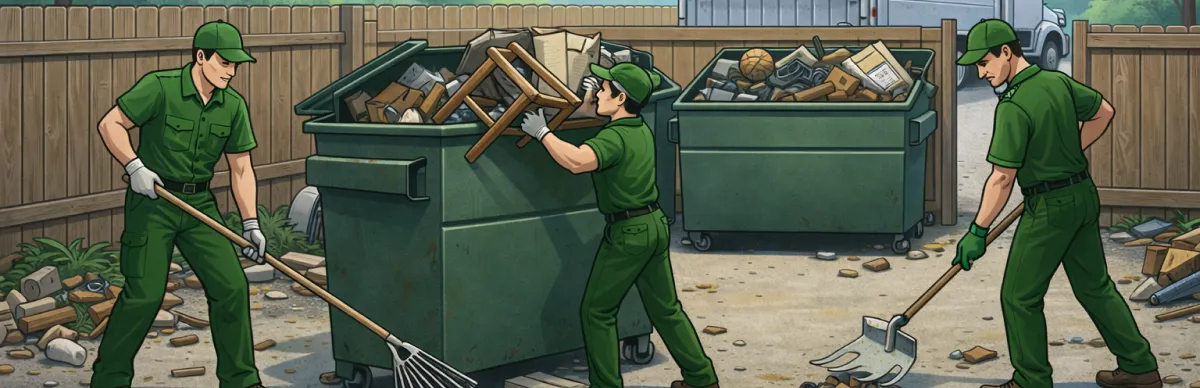
Fast and Reliable Service
Eco-Friendly Disposal Solutions
Experienced Junk Removal Team
Flexible Scheduling Options
Comprehensive Cleanout Services
Competitive Pricing for Restaurants
Coordinating Restaurant Equipment Disposal with Dunwoody's Commercial Waste Regulations
Restaurant junk removal in Dunwoody requires careful coordination with municipal departments that oversee commercial waste handling. Dunwoody operates within DeKalb County's solid waste framework, meaning restaurant owners must comply with both city code enforcement and county disposal requirements when removing old kitchen equipment, furniture, and accumulated debris. Key considerations include:
- Commercial hauler licensing is required for any company transporting restaurant waste through Dunwoody; verify credentials through the Dunwoody Community Development department
- Grease traps and used cooking oil must be handled by licensed waste oil haulers and cannot be placed in standard waste streams
- Bulk item removal from commercial properties requires advance scheduling and may necessitate right-of-way coordination if loading occurs on public streets
- Operating hours for commercial removal activities are subject to Dunwoody's noise ordinance restrictions; coordinate pickup times accordingly
- Stormwater compliance must be maintained during exterior cleanouts to prevent runoff contamination
Dunwoody Public Works Department
4800 Ashford Dunwoody Road, Dunwoody, GA 30338
Phone: (678) 382-6850
Official Website: Dunwoody Public Works Department
Georgia's Solid Waste Management Act and Restaurant Disposal Compliance
Restaurant operators in Dunwoody must adhere to the Georgia Comprehensive Solid Waste Management Act (O.C.G.A. § 12-8-20) when disposing of commercial waste generated during cleanouts, renovations, or closures. The Georgia Environmental Protection Division (GA EPD) enforces statewide regulations governing how commercial food service waste, construction debris, and hazardous materials are transported and disposed of. Important state-level requirements include:
- Solid waste transport permits are required for haulers moving commercial waste to approved disposal facilities
- Used cooking equipment containing refrigerants (walk-in coolers, reach-in freezers) must undergo refrigerant recovery per EPA Section 608 regulations before disposal
- Electronics from POS systems, monitors, and kitchen display screens should be directed to certified e-waste recyclers, as Georgia encourages responsible electronics recycling
- Construction and demolition debris from restaurant renovations must be separated from general waste and directed to C&D-permitted landfills
- Hazardous materials such as cleaning chemicals, fluorescent lighting tubes, and fire suppression agents require specialized disposal through licensed hazardous waste facilities
Restaurant owners should maintain disposal manifests and hauler receipts to demonstrate regulatory compliance during inspections.
Dunwoody Building Permits and Code Enforcement for Restaurant Renovation Debris
When restaurant junk removal involves structural changes, fixture removal, or interior demolition, Dunwoody's building codes and permit requirements apply. The Community Development Department oversees permits and inspections for commercial renovation projects that generate significant debris. Restaurant owners and contractors should be aware of the following:
- Building permits are required for any work involving structural modifications, plumbing disconnection, or electrical system changes during equipment removal
- Asbestos surveys may be required for restaurants located in buildings constructed before 1980; friable asbestos must be handled by licensed abatement contractors per Georgia EPD regulations
- Fire suppression system disconnection must be coordinated with DeKalb County Fire Rescue when removing commercial kitchen hood systems
- Grease exhaust ductwork removal requires proper sealing and cleanup to prevent fire hazards and code violations
- Final inspections may be required before a restaurant space can be reoccupied or repurposed
Dunwoody Building Codes Division
4800 Ashford Dunwoody Road, Dunwoody, GA 30338
Phone: (678) 382-6800
Official Website: Dunwoody Building Codes
Recycling and Diversion Requirements for Dunwoody Restaurant Equipment and Materials
Dunwoody's Sustainability Committee promotes waste diversion and environmental stewardship, which directly applies to restaurant junk removal operations. Restaurant cleanouts generate a wide range of recyclable and reusable materials that should be diverted from landfills whenever possible. Proper sorting and material recovery include:
- Stainless steel equipment (prep tables, shelving, sinks) has significant scrap metal value and should be directed to licensed metal recyclers rather than landfills
- Commercial refrigeration units require certified refrigerant recovery before the metal housing can be recycled
- Wooden booths, tables, and chairs in serviceable condition may be donated to nonprofit organizations or restaurant supply resellers
- Cardboard, paper, and packaging materials must be separated and placed in appropriate recycling streams
- Cooking oil and grease should be collected by licensed rendering companies for conversion into biodiesel or animal feed products
- Electronic point-of-sale systems and kitchen displays should be processed through certified e-waste recyclers to recover valuable components
Maintaining documentation of recycling and donation activities supports compliance with Georgia's solid waste diversion goals.
Stormwater Protection During Exterior Restaurant Cleanout Operations in Dunwoody
Restaurant junk removal that involves exterior staging, loading, or cleaning activities must comply with Dunwoody's stormwater management regulations. The Stormwater Division enforces pollution prevention measures to protect local waterways, including the Chattahoochee River watershed. During exterior restaurant cleanouts, the following precautions are essential:
- Prevent wash water and cleaning chemicals from entering storm drains; all liquid waste must be captured and disposed of through sanitary sewer systems
- Stage removed equipment and debris on impervious surfaces away from storm drain inlets
- Contain grease and oil spills immediately using absorbent materials; contaminated absorbents must be disposed of as regulated waste
- Cover debris piles during rain events to prevent contaminated runoff from reaching stormwater infrastructure
- Report spills or discharges to the Dunwoody Stormwater Division promptly to avoid violations and environmental damage
Dunwoody Stormwater Division
4800 Ashford Dunwoody Road, Dunwoody, GA 30338
Phone: (678) 382-6850
Official Website: Dunwoody Stormwater Division
What Neighborhoods Do We Serve Throughout Dunwoody, GA?
- Perimeter Center: This major commercial district contains numerous restaurants within mixed-use developments and office complexes. Loading dock access, freight elevator coordination, and building management approval are typically required for equipment removal from multi-story properties.
- Georgetown: A well-established neighborhood with several restaurant locations along main corridors. Street-level access is generally straightforward, though parking coordination may be necessary during peak business hours to accommodate removal vehicles.
- Dunwoody Village: This historic commercial center features smaller restaurant spaces with limited rear access. Narrow service alleys and shared parking areas require advance scheduling and coordination with adjacent businesses during cleanout operations.
- Winters Chapel: Restaurants in this area are primarily located in strip commercial centers with accessible rear loading zones. Proximity to major roadways facilitates efficient hauling to approved disposal and recycling facilities.
- Tilly Mill: A residential-commercial corridor where restaurant properties may have limited staging space. Coordination with Dunwoody Planning & Zoning may be necessary for projects involving exterior modifications or significant debris staging.
- Branches: This predominantly residential neighborhood includes smaller dining establishments where truck access may be constrained by residential street widths and proximity to homes, requiring attention to noise ordinance compliance during removal operations.