
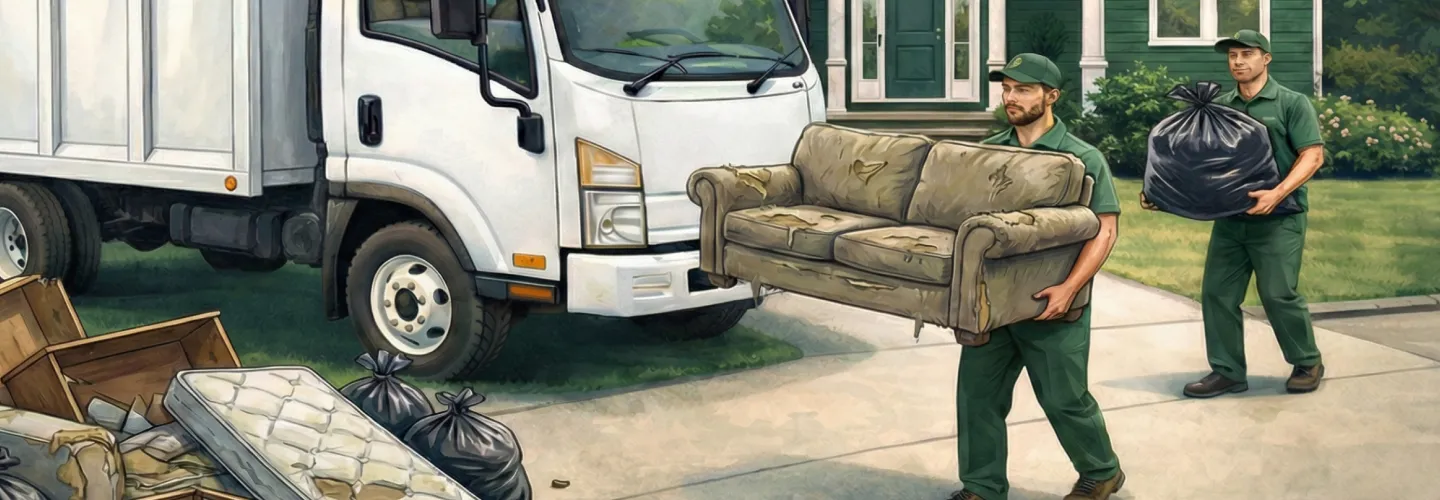
Dunwoody Construction Waste Management Services
Choose us for reliable construction waste management that keeps your project sites clean, compliant, and environmentally friendly—saving you time, money, and hassle.
Get a Free QuoteOur Dunwoody Junk Removal Services
Construction Waste Management in Dunwoody, GA – Local Service Guide
Effective construction waste management in Dunwoody, GA, requires a tailored approach for both residential and commercial needs. In neighborhoods like Georgetown and Wyntercreek, residents often need to dispose of bulky items—such as furniture, appliances, or hot tubs—during seasonal cleanouts, renovations, or after major life events. Local options include donation, recycling, or scheduled pickups, but access and weather can impact logistics, especially for large or heavy items. For residential spaces like garages, basements, and yards, spring and fall cleanouts are common, particularly after storms or in areas with heavy tree coverage. Regular trash pickup schedules and yard waste cycles help manage ongoing needs.
Dunwoody’s commercial districts, including Perimeter Center, see frequent waste from offices, restaurants, and construction sites. These sectors require discreet, timely removal and often generate higher volumes, necessitating coordination with property managers. Specialty services—such as dumpsters for construction debris or estate cleanouts—are essential for larger projects or unique scenarios, with planning and city coordination required. For guidance on local rules and permits, visit the Dunwoody Public Works Department.
Key Considerations for Construction Waste Management in Dunwoody
- Timing cleanouts around local weather and seasonal events
- Securing necessary permits for large-scale disposal
- Using approved disposal and recycling channels
- Ensuring site access for large vehicles and equipment
- Estimating waste volume for proper container sizing
- Coordinating with city services for specialty or high-volume needs
Benefits of Construction Waste Management in Dunwoody
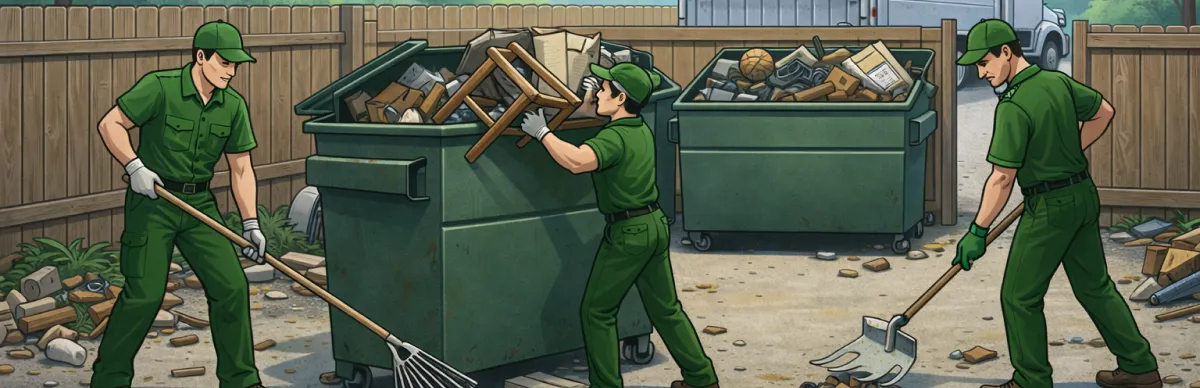
Efficient Debris Removal
Cost-Effective Waste Solutions
Environmentally Responsible Disposal
Compliance With Local Regulations
Improved Site Safety
Streamlined Project Timelines
Coordinating Construction Debris Disposal with Dunwoody's Community Development Department
Construction and demolition projects in Dunwoody generate significant volumes of waste that require proper management under local and county regulations. The Dunwoody Community Development department oversees permitting and code compliance for construction activities, including debris removal requirements tied to building permits. Contractors and homeowners undertaking renovation or demolition work must adhere to specific waste handling protocols throughout the project lifecycle.
- Building permits issued through Dunwoody typically include conditions related to site cleanliness and debris containment
- Construction site maintenance must prevent debris from migrating onto adjacent properties or public rights-of-way
- Waste haulers operating within city limits must maintain proper licensing and insurance documentation
- Project completion inspections may verify that all construction waste has been properly removed and disposed of before final permit sign-off
Failure to maintain compliant waste management practices during construction may result in code enforcement action, stop-work orders, or permit revocation.
Dunwoody Community Development Department
4800 Ashford Dunwoody Road, Dunwoody, GA 30338
Phone: (678) 382-6800
Official Website: Dunwoody Community Development
Dunwoody Building Code Requirements for Construction Waste Sorting and Separation
Dunwoody enforces building codes that govern how construction materials must be handled on active job sites. Proper sorting and separation of construction debris is essential for regulatory compliance and environmental stewardship. Materials generated during demolition, renovation, and new construction must be categorized before transport to appropriate disposal or recycling facilities.
- Concrete, brick, and masonry should be separated for recycling at inert material processing facilities rather than disposed of in municipal solid waste streams
- Scrap metal including rebar, copper piping, aluminum framing, and steel studs must be diverted to metal recycling processors
- Untreated wood and clean lumber can be directed to wood recycling or biomass facilities
- Drywall and gypsum board require separation due to hydrogen sulfide generation concerns in landfill environments
- Roofing shingles (asphalt) are accepted at specialized recycling facilities for reprocessing into road paving material
- Mixed construction debris containing hazardous components such as lead paint, asbestos-containing materials, or treated wood requires special handling and disposal at permitted facilities
Contractors should maintain separate collection areas on-site to facilitate efficient material sorting before hauling.
Georgia's Solid Waste Management Act and Construction Debris Compliance in Dunwoody
Georgia's solid waste regulations, administered by the Georgia Environmental Protection Division (GA EPD), establish the framework governing construction and demolition debris disposal statewide. The Georgia Comprehensive Solid Waste Management Act (O.C.G.A. § 12-8-20 et seq.) requires that all construction and demolition waste be transported to permitted facilities and prohibits illegal dumping on vacant lots, waterways, or unauthorized sites.
- Construction and demolition (C&D) landfills in Georgia are separately permitted from municipal solid waste landfills and accept inert materials such as concrete, brick, wood, and roofing
- Asbestos-containing materials must be handled by Georgia-licensed abatement contractors and disposed of at facilities permitted to accept friable and non-friable asbestos waste
- Lead-based paint debris from pre-1978 structures requires compliance with the EPA Renovation, Repair, and Painting Rule and proper containment during removal
- Hazardous waste including solvents, adhesives, paints, and chemical strippers generated during construction is prohibited from C&D landfills and must be managed through licensed hazardous waste transporters
DeKalb County, which encompasses Dunwoody, operates solid waste programs that support proper C&D debris routing. Contractors should verify that all receiving facilities hold current GA EPD permits before transporting construction waste.
Georgia Environmental Protection Division
2 Martin Luther King Jr. Drive SE, Suite 1456, Atlanta, GA 30334
Phone: (404) 656-4713
Official Website: Georgia Environmental Protection Division
Stormwater Protection and Erosion Control During Dunwoody Construction Projects
Construction waste management in Dunwoody extends beyond debris disposal to include environmental protection of waterways and stormwater infrastructure. The Dunwoody Stormwater Division enforces regulations that require active construction sites to implement erosion and sediment control measures, preventing construction debris and pollutants from entering the municipal stormwater system.
- Sediment and erosion control plans are required for land-disturbing activities and must address construction waste containment
- Construction debris must not be allowed to enter storm drains, catch basins, or natural waterways
- Washout areas for concrete trucks and equipment must be designated and contained on-site to prevent runoff contamination
- Stockpiled materials including soil, gravel, and demolition debris must be covered or contained to prevent wind and water dispersal
- Site inspections by Dunwoody's stormwater management staff may verify compliance with pollution prevention requirements
Violations of stormwater protection requirements can result in fines and mandatory corrective action. The Dunwoody Public Works Department coordinates with the stormwater division to ensure construction sites maintain proper waste containment throughout all project phases.
Dunwoody Stormwater Division
4800 Ashford Dunwoody Road, Dunwoody, GA 30338
Phone: (678) 382-6850
Official Website: Dunwoody Stormwater Division
Safety Standards for Hazardous Material Handling on Dunwoody Construction Sites
Construction waste in Dunwoody frequently includes hazardous materials that demand specialized handling to protect workers, residents, and the environment. Many structures in established Dunwoody neighborhoods were built before federal regulations restricted the use of asbestos and lead-based paint, making proper identification and abatement critical before demolition or renovation work begins.
- Asbestos surveys are recommended for buildings constructed before 1980; friable asbestos must be removed by Georgia-licensed abatement professionals before any demolition activity
- Lead-based paint in pre-1978 structures requires EPA RRP-certified contractors to perform renovation work, with debris contained and disposed of according to federal guidelines
- OSHA construction safety standards (29 CFR 1926) govern worker protection during debris handling, including requirements for personal protective equipment, fall protection, and heavy lifting protocols
- Refrigerant-containing equipment such as HVAC units removed during renovation must have refrigerants recovered by EPA Section 608-certified technicians before disposal
- Chemical waste including adhesives, caulking compounds, treated wood preservatives, and paint thinners must be segregated and transported by licensed hazardous waste haulers
The DeKalb County Fire Rescue Department provides emergency response for hazardous material incidents on construction sites within Dunwoody.
What Neighborhoods Do We Serve Throughout Dunwoody, GA?
- Georgetown: This established residential community features single-family homes dating to the 1970s and 1980s. Renovation projects may encounter lead-based paint or older roofing materials requiring specialized disposal, and tree-lined streets may limit large vehicle access for debris hauling.
- Dunwoody Village: The mixed-use commercial and residential character of this area generates both residential renovation debris and commercial tenant improvement waste. Coordination with property management and adherence to local zoning requirements are essential for construction waste removal.
- Winters Chapel: Proximity to major corridors provides efficient access for construction waste transport vehicles. Older housing stock in this area frequently requires asbestos and lead paint assessments before demolition or significant renovation work.
- Branches: This neighborhood of single-family homes with established landscaping requires careful site protection during construction debris removal. Narrow residential streets and cul-de-sacs may necessitate smaller hauling vehicles.
- Perimeter Center: High-density commercial and mixed-use development generates substantial construction and demolition waste from office build-outs and tenant improvements. Loading dock access, building management coordination, and compliance with commercial waste hauling requirements are critical considerations.
- Jett Ferry: Residential properties in this area often undergo kitchen and bathroom renovations generating drywall, tile, cabinetry, and fixture waste. HOA regulations may impose restrictions on construction waste staging and removal schedules.