
Dunwoody Basement & Attic Cleaning Services
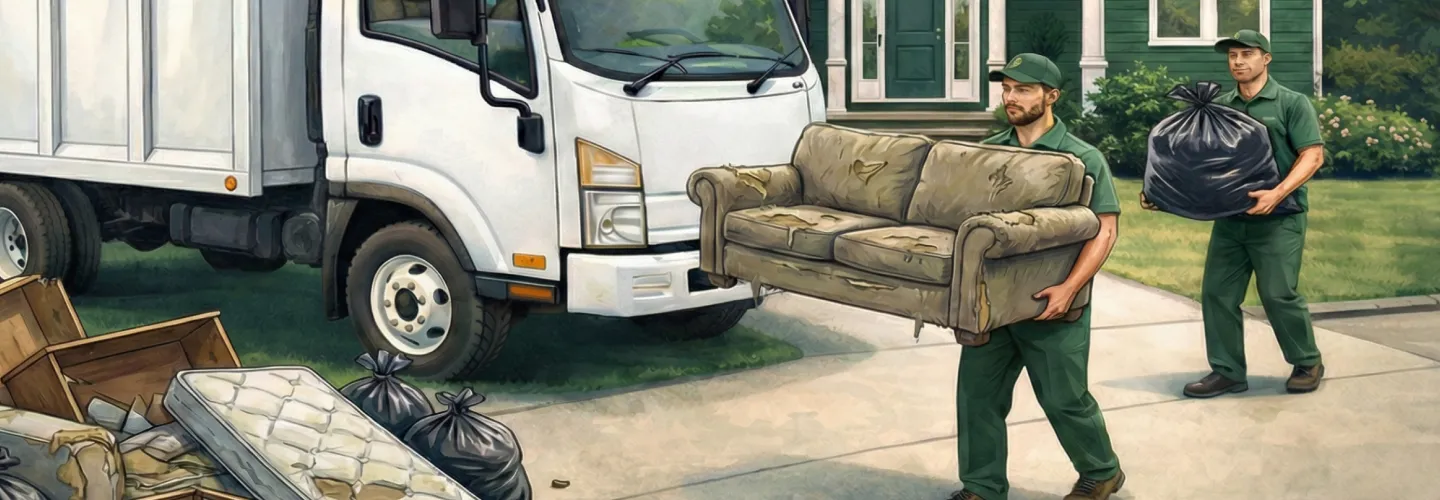
Choose our expert Basement & Attic Cleaning for a healthier, clutter-free home—our team removes dust, debris, and allergens, creating a safer and more comfortable living environment for your family.
Get a Free QuoteOur Dunwoody Junk Removal Services
Basement & Attic Cleaning in Dunwoody, GA – Local Service Guide
Basement and attic cleaning in Dunwoody, GA is essential for maintaining healthy, functional homes—especially in neighborhoods like Georgetown and Wyntercreek, where older properties often accumulate years of storage. Seasonal triggers such as spring cleaning, summer humidity, or preparing for storm season prompt many residents to clear out furniture, appliances, and electronics. Life events like moving, renovations, or replacing large items also drive the need for thorough cleanouts. In Dunwoody, donation and recycling options are available for usable items, while larger loads may require coordination with local disposal services. Access can be challenging in homes with narrow staircases or limited driveway space, and weather can impact scheduling, particularly during heavy rains or high humidity. For commercial properties near Perimeter Center, operational needs often require discreet, after-hours service and efficient removal of bulk materials. Specialty cleanouts—such as estate, foreclosure, or hoarding situations—demand careful planning and coordination, especially when handling hazardous or bulky debris. For guidance on local disposal rules and resources, visit the Dunwoody Public Works Department.
Key Considerations for Basement & Attic Cleaning in Dunwoody
- Timing cleanouts around seasonal weather and local events
- Checking for required permits or special disposal rules
- Using approved donation, recycling, or landfill channels
- Planning for access challenges in older homes or tight spaces
- Estimating volume and coordinating with local haulers
- Addressing category-specific items like electronics, appliances, or hazardous materials
Benefits of Basement & Attic Cleaning in Dunwoody
Improved Indoor Air Quality
Enhanced Home Safety
Increased Storage Space
Prevention of Mold and Pests
Boosted Property Value
Professional and Reliable Service
Coordinating Basement and Attic Cleanout Debris with Dunwoody's Waste Disposal Framework
Basement and attic cleaning projects in Dunwoody frequently generate large volumes of accumulated household items, old furniture, stored electronics, and miscellaneous debris requiring proper disposal. Because Dunwoody is located within DeKalb County, residential solid waste collection and bulk item pickup are administered through DeKalb County Sanitation Division rather than a standalone municipal program. Residents should be aware of the following disposal coordination requirements:
- Bulk item pickup must be scheduled in advance through DeKalb County Sanitation; items should be placed curbside no earlier than 24 hours before the scheduled collection date
- Accepted bulk items typically include furniture, appliances (with refrigerant properly removed), and large household goods cleared from basements and attics
- Prohibited curbside items include hazardous waste, tires, construction debris, and electronics containing cathode ray tubes
- Volume limits may apply per pickup; oversized cleanout projects may require multiple scheduled collections or self-hauling to a transfer facility
Residents should contact DeKalb County Sanitation to confirm current bulk pickup schedules and item restrictions before beginning a cleanout project.
Dunwoody Public Works Department
4800 Ashford Dunwoody Road, Dunwoody, GA 30338
Phone: (678) 382-6800
Official Website: Dunwoody Public Works Department
Hazardous Material Identification During Dunwoody Basement and Attic Cleaning Projects
Many Dunwoody homes were constructed during the 1970s and 1980s, placing them within the timeframe where lead-based paint and asbestos-containing materials were commonly used. Basement and attic spaces in these properties may contain insulation, pipe wrapping, floor tiles, or painted surfaces that require specialized handling. Residents and service providers must observe the following safety and regulatory requirements:
- Pre-1978 homes may contain lead-based paint; disturbance during cleaning requires compliance with the EPA Renovation, Repair, and Painting Rule, which mandates lead-safe work practices and certified renovator oversight
- Asbestos-containing materials such as vermiculite insulation, duct tape, and floor tiles must not be disturbed without a professional survey; Georgia requires licensed abatement contractors for friable asbestos removal
- Old paint cans, solvents, and pesticides stored in basements and attics are classified as household hazardous waste and cannot be placed in regular trash or bulk pickup
- DeKalb County Household Hazardous Waste collection events are held periodically for residents to safely dispose of paints, chemicals, batteries, and other toxic materials
The Georgia Environmental Protection Division oversees solid waste and hazardous material regulations statewide, including asbestos notification requirements for renovation and demolition activities.
Dunwoody Community Development Department
4800 Ashford Dunwoody Road, Dunwoody, GA 30338
Phone: (678) 382-6800
Official Website: Dunwoody Community Development
Dunwoody Building Code Compliance for Structural Changes During Attic and Basement Renovation
Basement and attic cleaning projects sometimes reveal structural issues, water damage, or code violations that require remediation. When cleaning transitions into renovation—such as removing damaged drywall, replacing insulation, or modifying electrical or plumbing systems—Dunwoody's building permit requirements apply. Residents should consider the following regulatory obligations:
- Building permits are required for any structural modifications, electrical work, plumbing changes, or HVAC alterations discovered during basement or attic cleanouts
- Permit applications are submitted through the Dunwoody Community Development Department, which administers plan review and inspections
- Construction and demolition debris generated during renovation must be separated from household waste; materials such as drywall, lumber, and metal may be subject to recycling or diversion requirements
- Stormwater protection measures must be observed during any exterior work; the Dunwoody Stormwater Division enforces erosion and sediment control standards to prevent pollutant discharge
- Unpermitted work discovered during cleanouts should be reported to code enforcement for proper resolution before proceeding with additional modifications
Dunwoody Building Codes Division
4800 Ashford Dunwoody Road, Dunwoody, GA 30338
Phone: (678) 382-6800
Official Website: Dunwoody Building Codes
Electronics and Appliance Recycling Requirements for Dunwoody Attic and Basement Cleanouts
Basements and attics frequently serve as storage areas for outdated electronics, old appliances, and obsolete equipment. Georgia does not currently enforce a statewide electronics landfill ban; however, responsible disposal through recycling programs is strongly encouraged, and certain materials carry federal handling requirements. Dunwoody residents should observe the following guidelines when clearing these items:
- Televisions, computer monitors, and other electronics containing lead, mercury, or cadmium should be directed to certified e-waste recyclers rather than placed in regular waste streams
- Appliances containing refrigerants (old refrigerators, freezers, dehumidifiers, and window air conditioning units) require refrigerant recovery by an EPA Section 608-certified technician before disposal
- Rechargeable batteries and lithium-ion batteries found in stored electronics pose fire hazards and must not be placed in curbside trash; Call2Recycle drop-off locations accept these materials
- DeKalb County periodically hosts electronics recycling collection events; residents should monitor county announcements for dates and accepted item lists
- Scrap metal from old appliances, shelving, and equipment may be accepted at local scrap yards for material recovery
The Dunwoody Sustainability Committee provides guidance on environmental stewardship initiatives and recycling resources available to residents.
Sorting and Separation Procedures for Materials Removed from Dunwoody Basements and Attics
Effective basement and attic cleaning requires systematic sorting of accumulated materials to ensure regulatory compliance and maximize diversion from landfills. Dunwoody residents and service providers should implement the following material separation procedures during cleanout projects:
- Donatable items in functional condition—furniture, clothing, household goods, and sporting equipment—should be directed to local charitable organizations such as Habitat for Humanity ReStore or Goodwill before considering disposal
- Recyclable materials including cardboard boxes, paper documents, glass containers, and plastic packaging should be separated and placed in curbside recycling bins per DeKalb County recycling guidelines
- Household hazardous waste such as old paint, cleaning chemicals, automotive fluids, and pesticides must be segregated and taken to designated hazardous waste collection events; these items are prohibited from regular trash and recycling streams
- Bulky items including mattresses, furniture, and large storage containers require scheduled bulk pickup or self-hauling to an approved facility
- Confidential documents found during attic and basement cleanouts should be shredded before recycling to protect personal information
Proper sorting at the point of removal reduces disposal costs, supports DeKalb County's waste diversion objectives, and ensures compliance with Georgia's Solid Waste Management Act.
What Neighborhoods Do We Serve Throughout Dunwoody, GA?
- Dunwoody Village: This established neighborhood features homes primarily built in the 1970s and 1980s, meaning basements and attics may contain older insulation materials and lead-based paint requiring careful assessment during cleanout projects. Mature tree canopy and residential street widths accommodate standard service vehicle access.
- Georgetown: Single-family homes with full basements are common in this subdivision. Residents frequently accumulate decades of stored items in lower-level spaces, and narrow interior stairwells may require careful navigation during large-item removal.
- Branches: Properties in this community often include walk-up attic spaces with limited headroom and steep pull-down staircase access. HOA regulations may govern exterior staging of debris and scheduling of service vehicles.
- Winters Chapel: This area includes a mix of older ranch-style homes and townhomes. Basement flooding history in some properties may necessitate mold assessment and hazardous material screening before cleaning begins.
- Perimeter Center: The commercial and mixed-use corridor presents unique logistics for basement cleanouts in multi-tenant buildings, including coordination with property management, service elevator scheduling, and after-hours access requirements.
- Redfield: Homes in this neighborhood typically feature unfinished basements used for long-term storage. Driveway access is generally favorable for loading, though cul-de-sac configurations may limit turning radius for larger service vehicles.