
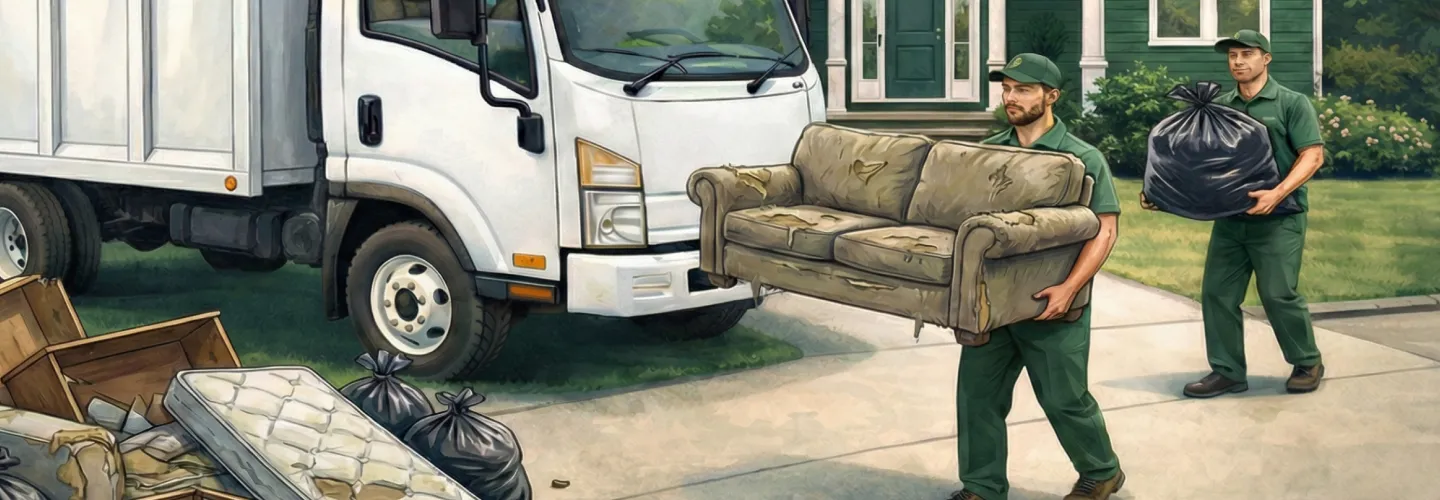
Dunwoody Construction Debris Removal Services
Choose our Construction Debris Removal for fast, reliable, and eco-friendly cleanup that keeps your project on schedule and your site safe.
Get a Free QuoteOur Dunwoody Junk Removal Services
Construction Debris Removal in Dunwoody, GA – Local Service Guide
Construction debris removal in Dunwoody, GA, is essential for keeping homes and businesses safe, clean, and compliant with local regulations. In neighborhoods like Georgetown and Wyntercreek, residents often need debris removal after home renovations, appliance upgrades, or seasonal cleanouts. For residential items such as furniture, mattresses, and appliances, triggers include spring cleaning, moving, or storm damage. Many opt to donate or recycle usable items, while larger or hazardous debris requires proper disposal. Access and weather—especially during Dunwoody’s rainy seasons—can impact logistics, particularly for large items or properties with limited driveway space.
For residential spaces like garages, basements, and yards, debris removal peaks after storms or during annual yard maintenance. Properties near Nancy Creek may face additional challenges with flooding or tree debris. Commercial clients in areas like Perimeter Center require timely, discreet removal to minimize business disruption, with construction sites and property managers often generating high volumes. Specialty services, such as dumpster rentals or estate cleanouts, demand careful planning and coordination, especially for foreclosures or hoarding situations. For guidance on local rules and resources, visit the Dunwoody Public Works Department.
Key Considerations for Construction Debris Removal in Dunwoody
- Timing around weather, renovations, or business hours
- Permit requirements for large-scale or specialty removals
- Approved disposal and recycling channels
- Property access and neighborhood restrictions
- Volume and type of debris by category
- Coordination with local services and schedules
Benefits of Construction Debris Removal in Dunwoody
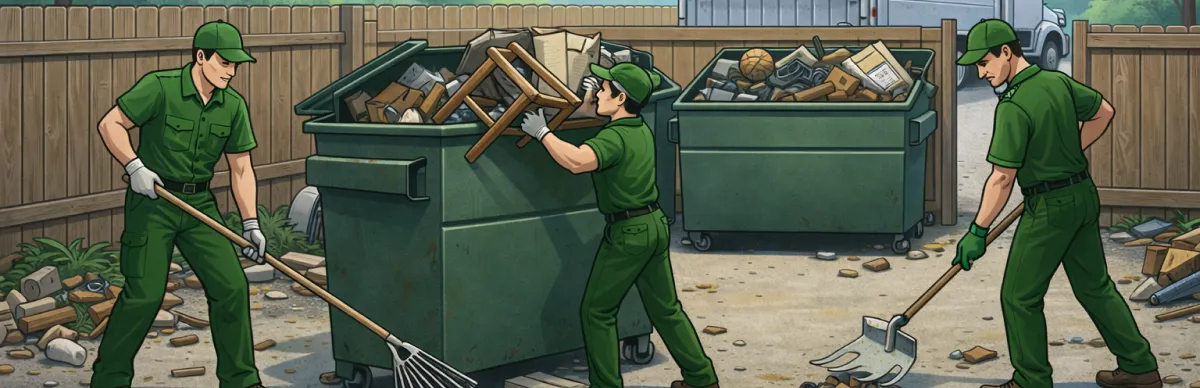
Fast and Reliable Cleanup
Eco-Friendly Disposal Solutions
Improved Site Safety
Cost-Effective Debris Removal
Flexible Scheduling Options
Experienced Local Professionals
Coordinating Construction Debris Removal with Dunwoody's Building Permit and Inspection Process
Construction and demolition projects in Dunwoody require coordination between debris removal activities and the city's permitting framework. Before generating construction waste, property owners and contractors must secure appropriate building permits through the Dunwoody Community Development department. Demolition, renovation, and new construction permits each carry specific waste management obligations that must be satisfied before final inspection approval.
- Building permits are required for structural demolition, major renovations, and additions that generate significant debris volumes
- Plan review must account for on-site waste staging areas and debris removal logistics
- Final inspections may be delayed if construction debris remains on-site or in the public right-of-way
- Code enforcement officers may issue violations for debris left in yards, driveways, or streets beyond permitted project timelines
- Contractors must maintain a clean and safe work site throughout the project duration per Dunwoody Building Codes
Dunwoody Community Development Department
4800 Ashford Dunwoody Road, Dunwoody, GA 30338
Phone: (678) 382-6800
Official Website: Dunwoody Community Development
Material Sorting and Separation Requirements for Dunwoody Construction Debris Disposal
Georgia's solid waste regulations administered by the Georgia Environmental Protection Division (GA EPD) establish guidelines for construction and demolition (C&D) debris handling. Construction debris in Dunwoody must be properly sorted to comply with disposal facility acceptance criteria and to maximize diversion from landfills. C&D waste includes lumber, drywall, roofing materials, concrete, brick, metal, glass, and packaging materials generated during building, renovation, or demolition activities.
- Concrete, brick, and masonry should be separated for crushing and reuse as aggregate fill material
- Scrap metal including rebar, copper piping, aluminum flashing, and steel framing must be diverted to metal recycling facilities
- Clean wood waste free of paint, stain, or chemical treatment may qualify for mulching or biomass processing
- Treated or painted wood from pre-1978 structures may contain lead paint and requires handling under the EPA Renovation, Repair, and Painting Rule
- Asphalt shingles are accepted at select C&D recycling facilities in the greater Atlanta metro area for processing into road paving material
- Drywall and gypsum board should be kept dry and separated, as many landfills charge premium rates for mixed loads containing gypsum
Proper separation at the job site reduces disposal costs and supports DeKalb County and regional landfill diversion goals.
Hazardous Material Handling and Environmental Compliance for Dunwoody Renovation Projects
Construction debris removal in Dunwoody frequently involves materials that require special handling under federal and state environmental regulations. Older homes and commercial buildings—particularly those constructed before 1980—may contain asbestos in floor tiles, insulation, pipe wrapping, and roofing materials. Georgia law requires an asbestos survey by a licensed inspector before demolition or renovation of structures where asbestos-containing materials may be present.
- Asbestos-containing materials must be removed by a Georgia-licensed abatement contractor and disposed of at permitted facilities per Georgia Rules for Air Quality Control, Chapter 391-3-1
- Lead-based paint debris from pre-1978 buildings requires EPA RRP-certified contractor handling and cannot be mixed with general C&D waste
- Chemical containers, solvents, and adhesives found during renovation are classified as hazardous waste and are prohibited from C&D landfills
- Refrigerant-containing equipment such as HVAC units removed during construction must have refrigerant recovered by an EPA Section 608-certified technician before disposal
Dunwoody's Stormwater Division also requires that construction sites implement erosion and sediment controls to prevent debris and pollutants from entering the municipal stormwater system during removal activities.
Dunwoody Stormwater Division
4800 Ashford Dunwoody Road, Dunwoody, GA 30338
Phone: (678) 382-6850
Official Website: Dunwoody Stormwater Division
Dunwoody Public Works Coordination and Construction Debris Disposal Logistics
The Dunwoody Public Works Department oversees infrastructure and right-of-way management that directly affects construction debris removal operations. Contractors and homeowners must coordinate with Public Works when debris removal activities require use of public streets, sidewalks, or rights-of-way. Temporary road closures, heavy truck access, and staging of materials in the public right-of-way may require advance notification or permits.
- Right-of-way use for debris staging or loading requires coordination with Public Works to avoid obstructing traffic, pedestrian paths, or utility access
- Heavy vehicle access on residential streets should account for weight limits on local roads and potential damage to curbs and pavement
- Noise ordinances in Dunwoody restrict construction-related activities, including debris loading, during early morning and late evening hours
- Tree protection during debris removal near public rights-of-way is governed by Dunwoody Tree Regulations, which may require protective barriers around specimen trees
- Debris must not be swept, blown, or deposited into storm drains, ditches, or waterways
Dunwoody Public Works Department
4800 Ashford Dunwoody Road, Dunwoody, GA 30338
Phone: (678) 382-6850
Official Website: Dunwoody Public Works Department
Recycling and Landfill Diversion Goals for Construction Waste in Dunwoody
The Dunwoody Sustainability Committee supports environmental stewardship initiatives that include reducing construction and demolition waste sent to landfills. Georgia does not currently mandate a specific C&D waste diversion rate, but DeKalb County and the greater Atlanta region operate multiple C&D recycling facilities that accept sorted construction materials. Utilizing these facilities supports regional sustainability objectives and may reduce overall disposal costs compared to mixed-load landfill tipping fees.
- Concrete and masonry recycling facilities in the metro Atlanta area accept clean concrete, block, and brick for crushing into reusable aggregate
- Metal recycling for steel, copper, aluminum, and iron salvaged from construction sites is widely available and may generate revenue for project owners
- Wood waste recycling programs accept clean, untreated lumber for mulching or engineered wood products
- Cardboard and packaging from construction material deliveries should be separated and recycled through standard recycling channels
- Asphalt shingle recycling diverts roofing waste from landfills and reprocesses material for road construction applications
Contractors working in Dunwoody are encouraged to develop a waste management plan identifying recyclable materials before project commencement. The Georgia Environmental Protection Division maintains a list of permitted solid waste handling facilities, including C&D processing operations, throughout the state.
What Neighborhoods Do We Serve Throughout Dunwoody, GA?
- Georgetown: This established residential community features single-family homes dating from the 1970s and 1980s. Renovation projects frequently generate drywall, flooring, and roofing debris; older structures may require lead paint and asbestos assessments before demolition work begins.
- Dunwoody Village: The mixed-use commercial and residential area near the historic village center presents access considerations for debris removal trucks navigating smaller lots and shared parking areas. HOA guidelines may govern debris staging and removal schedules.
- Winters Chapel: Homes in this area vary in age and construction type, with some properties requiring careful navigation of narrow driveways and mature tree canopies during debris hauling operations.
- Perimeter Center: This major commercial district includes office towers, retail complexes, and mixed-use developments where construction debris removal requires coordination with property management, loading dock scheduling, and compliance with commercial waste hauling requirements.
- Branches: A residential subdivision with well-maintained streetscapes where debris removal must account for HOA property appearance standards, limited street parking for heavy vehicles, and protection of landscaped common areas.
- Jett Ferry: Single-family homes in this neighborhood often undergo kitchen and bathroom renovations generating tile, cabinetry, and fixture debris. Cul-de-sac street layouts may require advance planning for truck turning radius and staging.