
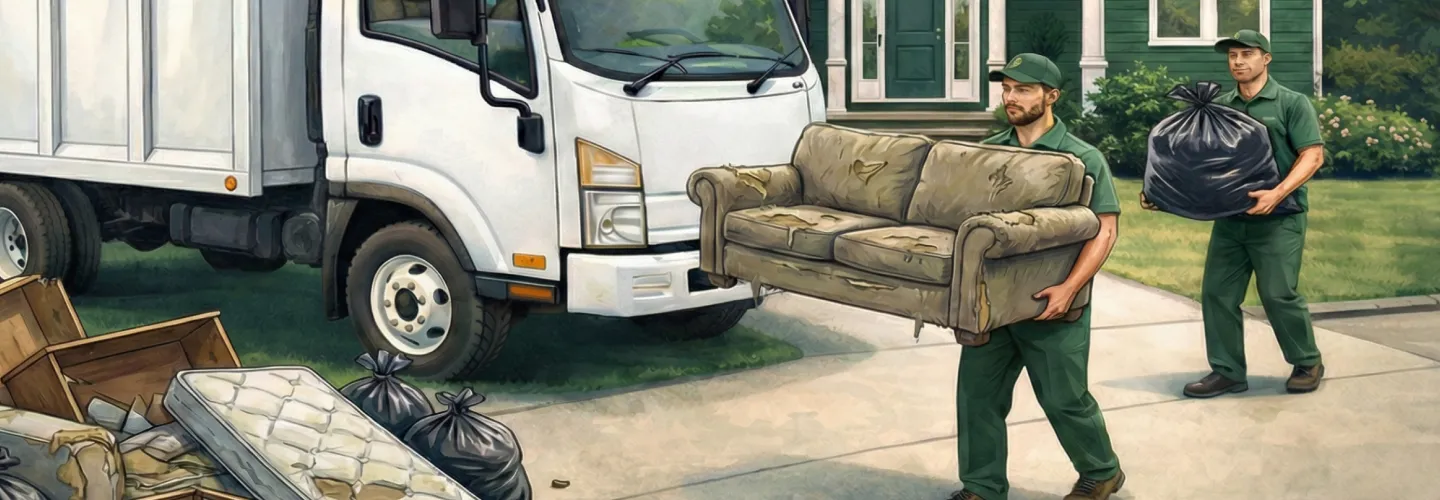
Dunwoody Scrap Metal Removal Services
Choose our Scrap Metal Removal for hassle-free, eco-friendly disposal and top-notch customer service—making your cleanup easy, efficient, and responsible.
Get a Free QuoteOur Dunwoody Junk Removal Services
Scrap Metal Removal in Dunwoody, GA – Local Service Guide
Scrap metal removal in Dunwoody, GA is a vital service for both residents and businesses, especially during seasonal cleanouts, renovations, or after major appliance replacements. In neighborhoods like Georgetown and Wyntercreek, homeowners often need to dispose of old grills, appliances, or yard equipment as part of spring cleaning or after storms. Local disposal options include recycling centers and donation programs, but larger or bulkier items may require professional hauling due to access or weather challenges. For commercial properties in areas such as Perimeter Center, offices and restaurants frequently generate scrap metal during remodels or equipment upgrades, requiring discreet, timely pickups to minimize disruption. Specialty projects—like estate cleanouts or construction debris removal—demand careful planning and coordination, particularly for properties with limited access or strict HOA guidelines. For more on local rules and recycling resources, visit the Dunwoody Public Works Department.
Key Considerations for Scrap Metal Removal in Dunwoody
- Timing: Plan around seasonal cleanouts, storm recovery, or property renovations
- Permits: Check for any required permissions, especially in HOA communities
- Disposal Channels: Use local recycling or donation options when possible
- Access: Consider driveway size, weather, and neighborhood restrictions
- Volume: Estimate load size for efficient removal and cost savings
- Coordination: Schedule pickups to align with local waste collection or project timelines
Benefits of Scrap Metal Removal in Dunwoody
Eco-Friendly Disposal
Fast and Reliable Service
Free Up Valuable Space
Safe Removal Practices
Competitive Pricing
Experienced Local Team
Coordinating Scrap Metal Disposal with Dunwoody's Public Works and DeKalb County Services
Dunwoody operates as an incorporated city within DeKalb County, and scrap metal disposal requires coordination between municipal and county-level waste management programs. Residential solid waste collection in Dunwoody is managed through contracted haulers, but scrap metal items—such as old fencing, metal shelving, automotive parts, and structural steel—often fall outside standard curbside pickup parameters. Residents should be aware of the following disposal considerations:
- Bulk metal items exceeding standard collection size or weight limits typically require separate scheduling with the contracted waste hauler
- DeKalb County transfer stations accept scrap metal from residents; a valid ID or proof of residency may be required for access
- Ferrous and non-ferrous metals should be separated before transport to maximize recycling efficiency and comply with facility sorting requirements
- Appliances containing refrigerants (air conditioners, refrigerators) must have refrigerant professionally recovered before metal recycling per federal law
Contact the Dunwoody Public Works Department for guidance on bulk metal collection scheduling and approved disposal facilities.
Dunwoody Public Works Department
4800 Ashford Dunwoody Road, Dunwoody, GA 30338
Phone: (678) 382-6850
Official Website: Dunwoody Public Works Department
Georgia's Solid Waste Management Act and Scrap Metal Recycling Compliance
Georgia's Comprehensive Solid Waste Management Act (O.C.G.A. § 12-8-20 et seq.) establishes the regulatory framework governing scrap metal disposal and recycling across the state. The Georgia Environmental Protection Division (GA EPD) oversees enforcement of solid waste regulations, including requirements for scrap metal processors and recycling facilities. Dunwoody residents and contractors handling scrap metal should understand these key state-level requirements:
- Scrap metal dealers and processors must hold valid permits issued by GA EPD and maintain transaction records for all purchases
- Hazardous components within scrap metal assemblies—such as lead solder, mercury switches, or PCB-containing capacitors—must be removed and disposed of as hazardous waste under Resource Conservation and Recovery Act (RCRA) guidelines
- Stormwater pollution prevention is required at any site where scrap metal is staged or stored outdoors, preventing metal contaminants from entering Dunwoody's stormwater system
- Illegal dumping of scrap metal carries penalties under both state law and Dunwoody municipal code enforcement
The Dunwoody Stormwater Division monitors environmental compliance related to metal debris and runoff contamination within city limits.
Permit and Code Enforcement Requirements for Scrap Metal Projects in Dunwoody
Renovation, demolition, and property improvement projects in Dunwoody frequently generate significant volumes of scrap metal, including ductwork, plumbing pipes, rebar, metal roofing, and structural framing. The Dunwoody Community Development Department oversees building permits and code enforcement that directly affect how scrap metal is handled and removed from project sites. Property owners and contractors should observe the following requirements:
- Building permits are required for demolition or renovation work that produces scrap metal debris; submit applications through the Dunwoody Community Development Department
- Right-of-way use for staging scrap metal collection vehicles or temporary storage containers on public streets requires advance coordination with Public Works
- Noise ordinances restrict metal cutting, loading, and hauling operations during early morning and late evening hours in residential zones
- Pre-1978 structures may contain lead-painted metal components; the EPA Renovation, Repair, and Painting Rule mandates lead-safe work practices during removal
- Asbestos-containing materials sometimes wrap older metal pipes and ductwork; a licensed inspector should assess materials before removal begins
Dunwoody Community Development Department
4800 Ashford Dunwoody Road, Dunwoody, GA 30338
Phone: (678) 382-6800
Official Website: Dunwoody Community Development
Sorting and Separating Scrap Metal Materials for Proper Recycling in Dunwoody
Effective scrap metal recycling depends on proper sorting and separation of materials before transport to a licensed recycling facility. Dunwoody residents and contractors can improve recycling outcomes and potentially recover material value by categorizing metals correctly. The Dunwoody Sustainability Committee supports waste diversion and recycling initiatives that align with these practices. Key sorting guidelines include:
- Ferrous metals (steel, iron, cast iron) are magnetic and commonly found in appliances, structural beams, automotive parts, and fencing; these are widely accepted at scrap yards
- Non-ferrous metals (copper, aluminum, brass, stainless steel) carry higher recycling value and include wiring, plumbing fixtures, gutters, and HVAC components
- Mixed metal assemblies such as appliances, electronics housings, and automotive components should have non-metal attachments (plastic, rubber, glass) removed when feasible
- Contaminated metals with paint, oil, grease, or chemical residues may require cleaning or special handling before acceptance at recycling facilities
- Prohibited items at most scrap facilities include sealed tanks, pressurized cylinders, and any container that held hazardous materials
Separating metals by type reduces processing costs and supports Dunwoody's broader landfill diversion and sustainability goals.
Safety Protocols and OSHA Standards for Scrap Metal Handling in Dunwoody
Scrap metal removal presents significant safety hazards including sharp edges, heavy lifting injuries, exposure to hazardous coatings, and equipment-related risks. Both residential property owners and commercial contractors in Dunwoody must observe applicable safety standards when handling and transporting scrap metal. The following safety considerations apply:
- OSHA general duty clause requires employers to provide workplaces free from recognized hazards; scrap metal operations must include cut-resistant gloves, steel-toed boots, eye protection, and hard hats
- Heavy lifting protocols apply to structural steel, cast iron components, and large appliance frames; mechanical lifting equipment should be used for items exceeding 50 pounds per OSHA ergonomic guidelines
- Tetanus and puncture wound risks are elevated when handling rusted or corroded metals; workers should maintain current immunizations
- Lead paint and asbestos exposure from pre-1978 building materials requires respiratory protection and containment procedures during removal
- Vehicle loading and transport of scrap metal must comply with Georgia Department of Transportation load securement requirements to prevent road hazards
- Fire hazards from sparks during metal cutting operations require fire extinguisher availability and clearance from combustible materials
Contact DeKalb County Fire Rescue for fire safety guidance when conducting metal cutting operations on Dunwoody properties.
What Neighborhoods Do We Serve Throughout Dunwoody, GA?
- Dunwoody Village: This established neighborhood features single-family homes built primarily in the 1970s and 1980s, where aging metal fences, gutters, and HVAC systems frequently require removal. Residential streets accommodate standard removal vehicles, though tree-lined roads may limit overhead clearance for larger equipment.
- Georgetown: A well-maintained subdivision with homes that often undergo renovation projects generating scrap metal from kitchen remodels and bathroom upgrades. HOA regulations may govern staging of metal debris on driveways and require prompt removal.
- Winters Chapel: Located near the city's northern boundary, this area includes a mix of residential properties and light commercial spaces. Older commercial buildings may contain significant quantities of metal ductwork, shelving, and fixtures during tenant turnover.
- Perimeter Center: Dunwoody's major commercial district features office towers, retail centers, and mixed-use developments that generate commercial-grade scrap metal from build-outs and renovations. Loading dock access and building management coordination are typically required for removal operations.
- Branches: A residential community with mature properties where aging metal playground equipment, fencing, and outdoor structures are common removal items. Cul-de-sac street layouts may require smaller vehicles for access.
- Jett Ferry: Properties in this area range from mid-century ranch homes to newer construction, producing varied scrap metal from both renovation debris and property maintenance. Proximity to major roadways facilitates efficient transport to recycling facilities.