
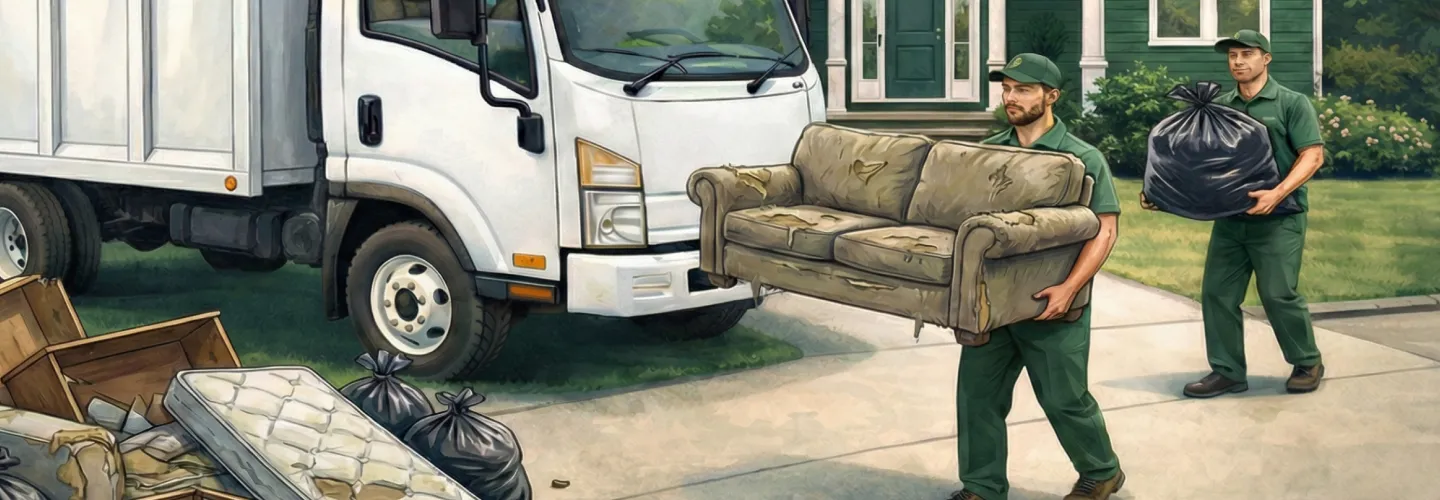
Dunwoody Shed Removal Services
Choose our shed removal service for safe, efficient, and eco-friendly disposal—saving you time, effort, and giving you back valuable space without the stress.
Get a Free QuoteOur Dunwoody Junk Removal Services
Shed Removal in Dunwoody, GA – Local Service Guide
Removing an old shed in Dunwoody, GA is often prompted by home upgrades, storm damage, or the need to reclaim yard space. In neighborhoods like Wyntercreek and Georgetown, residents typically schedule shed removal during spring cleanouts or after severe weather. Local disposal options include recycling metal components or donating usable materials, but most sheds require professional dismantling due to their size and construction. Access can be challenging in backyards with limited entry or heavy tree coverage, especially after rain. Dunwoody’s regulations may require permits for larger structures, so it’s important to check local building codes before starting. Professional teams handle logistics, ensuring safe removal and proper disposal, while minimizing disruption to your property and neighbors.
Benefits of Shed Removal in Dunwoody
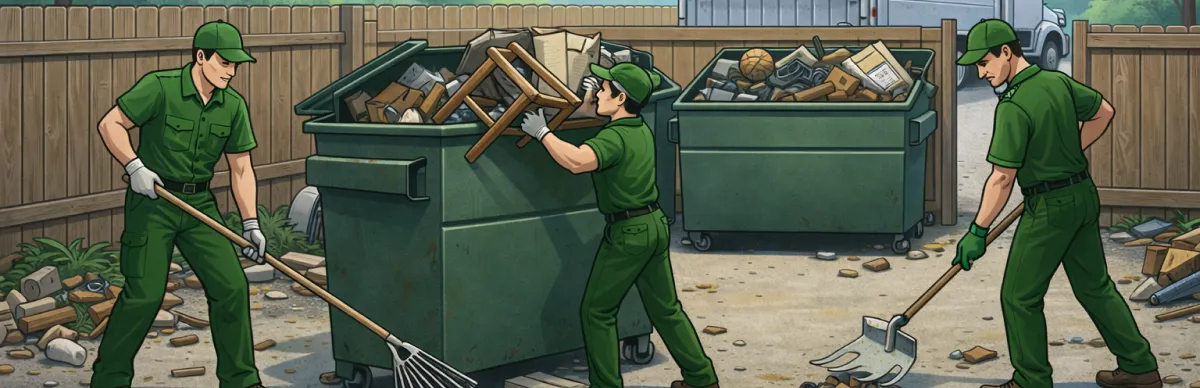
Fast Shed Removal Services
Eco-Friendly Disposal Solutions
Licensed and Insured Team
Transparent Upfront Pricing
Flexible Scheduling Options
Safe and Hassle-Free Process
Dunwoody Permit and Code Requirements for Residential Shed Demolition and Removal
Shed removal in Dunwoody requires careful attention to the city's permitting and building code framework. The Dunwoody Community Development department oversees demolition-related permits, and property owners should confirm whether their shed removal project triggers a permit requirement based on the structure's size, foundation type, and proximity to property lines. Key considerations include:
- Demolition permits may be required for sheds with permanent foundations, electrical wiring, or plumbing connections
- Zoning setback verification through Dunwoody Planning & Zoning ensures removal activities do not encroach on easements or neighboring properties
- Utility disconnection must be completed before demolition begins if the shed has electrical service, water lines, or gas connections
- HOA approval is often required in Dunwoody's many covenant-controlled communities before any exterior structure is removed
- Inspection scheduling may be necessary to confirm proper site restoration after the shed is dismantled
Residents should submit permit applications well in advance, as review timelines vary based on project complexity.
Dunwoody Community Development Department
4800 Ashford Dunwoody Road, Dunwoody, GA 30338
Phone: (678) 382-6800
Official Website: Dunwoody Community Development
Sorting and Separating Shed Demolition Materials for Proper Disposal in Dunwoody
Shed removal generates a mix of construction and demolition debris that must be sorted according to Georgia waste management standards. The Georgia Environmental Protection Division (GA EPD) regulates solid waste handling statewide, and Dunwoody residents are expected to separate materials appropriately before disposal. Shed demolition typically produces the following material categories:
- Lumber and wood framing — untreated wood may be accepted at construction and demolition recycling facilities; pressure-treated lumber requires separate handling due to chemical preservatives such as chromated copper arsenate (CCA)
- Metal roofing, fasteners, and hardware — ferrous and non-ferrous metals are recyclable through scrap metal facilities and should be separated from other debris
- Asphalt shingles — many recycling facilities in the greater Atlanta metro area accept shingles for processing into road base material
- Concrete and masonry — foundation materials and pavers can often be recycled as aggregate; clean concrete should be kept separate from mixed debris
- Vinyl siding and plastic components — limited recycling options exist; these materials typically require landfill disposal at permitted facilities
Proper sorting reduces landfill volume and supports DeKalb County's waste diversion efforts. Residents hauling materials themselves should confirm accepted items and fees with the receiving facility before transport.
Hazardous Material Identification Before Shed Demolition in Dunwoody Properties
Older sheds in Dunwoody may contain hazardous materials that require specialized handling before demolition can proceed. Structures built before 1978 may have lead-based paint, and sheds with certain insulation or roofing products could contain asbestos-containing materials. Federal regulations under the EPA Renovation, Repair, and Painting Rule mandate lead-safe work practices when disturbing painted surfaces in pre-1978 structures. Important safety and compliance steps include:
- Lead paint testing should be conducted on any shed built before 1978; certified lead inspectors can perform XRF testing or collect paint chip samples for laboratory analysis
- Asbestos surveys are recommended for sheds with transite panels, certain floor tiles, or older roofing materials; Georgia requires licensed abatement contractors for friable asbestos removal
- Pesticide contamination may be present in sheds used for chemical or garden supply storage; soil testing around the foundation may be warranted
- Proper PPE including N95 respirators, safety glasses, and heavy work gloves should be used during all demolition activities
- Hazardous waste disposal for lead paint debris, asbestos, and chemical containers must be handled through DeKalb County's Household Hazardous Waste collection events or approved facilities
The EPA Region 4 Southeast office provides additional guidance on federal environmental compliance for demolition projects in Georgia.
Dunwoody Building Codes Division
4800 Ashford Dunwoody Road, Dunwoody, GA 30338
Phone: (678) 382-6800
Official Website: Dunwoody Building Codes
Stormwater Protection and Environmental Compliance During Shed Removal in Dunwoody
Shed demolition projects in Dunwoody must comply with the city's stormwater management regulations to prevent sediment runoff and debris from entering local waterways. The Dunwoody Stormwater Division enforces erosion and sedimentation control measures that apply to ground-disturbing activities, including foundation removal and site grading after shed demolition. Key environmental compliance requirements include:
- Erosion control measures such as silt fencing or straw wattles should be installed around the demolition site, particularly on sloped properties or those adjacent to streams and drainage channels
- Debris containment is required to prevent nails, wood fragments, shingle granules, and other demolition materials from washing into storm drains
- Exposed soil from foundation removal must be stabilized within a reasonable timeframe through seeding, sodding, or mulching to prevent erosion
- Tree protection is governed by Dunwoody Tree Regulations; removal activities near protected trees may require a tree protection plan or arborist consultation
- Concrete washout from any post-demolition site work must be contained and cannot be discharged into storm drains or waterways
Failure to implement proper stormwater controls can result in code enforcement action and fines. Property owners should contact the Stormwater Division before beginning demolition to confirm site-specific requirements.
Dunwoody Stormwater Division
4800 Ashford Dunwoody Road, Dunwoody, GA 30338
Phone: (678) 382-6800
Official Website: Dunwoody Stormwater Division
Coordinating Shed Debris Hauling with Dunwoody's Public Works and Waste Disposal Guidelines
Once a shed has been dismantled and materials sorted, property owners must arrange for proper hauling and disposal in accordance with local and county regulations. Dunwoody is located within DeKalb County, and many solid waste services — including transfer station access and bulk debris disposal — are coordinated at the county level. The Dunwoody Public Works Department can provide guidance on approved hauling procedures and local requirements. Residents should be aware of the following:
- Licensed haulers operating within Dunwoody must hold appropriate business licenses and insurance; verify credentials before hiring any contractor for debris removal
- Load securement is required by Georgia law when transporting demolition debris on public roads; tarps or covers must prevent materials from falling off vehicles
- Weight restrictions on residential streets may limit the size of trucks used for hauling; confirm any posted weight limits on your street with Public Works
- Disposal documentation including manifests or receipts from the receiving landfill or recycling facility should be retained as proof of proper disposal
- Illegal dumping of shed demolition debris is a code enforcement violation subject to fines; all materials must be delivered to permitted disposal or recycling facilities
Dunwoody Public Works Department
4800 Ashford Dunwoody Road, Dunwoody, GA 30338
Phone: (678) 382-6800
Official Website: Dunwoody Public Works Department
What Neighborhoods Do We Serve Throughout Dunwoody, GA?
- Georgetown: This established single-family neighborhood features mature tree canopy and larger lots where older sheds may contain lead paint or asbestos materials. Wooded rear yards may require careful equipment access planning and tree protection measures during demolition.
- Dunwoody Club Forest: Properties in this community often have HOA covenants governing accessory structures. Residents should obtain written HOA approval before shed removal and confirm any restoration or landscaping requirements for the cleared site.
- Winters Chapel: A mix of older ranch-style homes with backyard sheds that may have permanent concrete foundations. Narrow side yards and fencing can limit equipment access, requiring manual demolition and hand-carrying of debris to the street.
- Branches: This neighborhood includes homes with sloped lots where stormwater runoff management is critical during and after shed demolition. Erosion control measures are especially important given proximity to drainage infrastructure.
- Dunwoody North: Larger residential lots in this area may accommodate equipment access more easily, but mature landscaping and specimen trees near shed locations may require arborist consultation under Dunwoody's tree protection ordinance.
- Vermack/Womack: Properties near Dunwoody's commercial corridors may face access constraints from traffic and limited staging areas. Coordination with neighbors and advance scheduling of debris hauling helps minimize disruption on busier residential streets.