
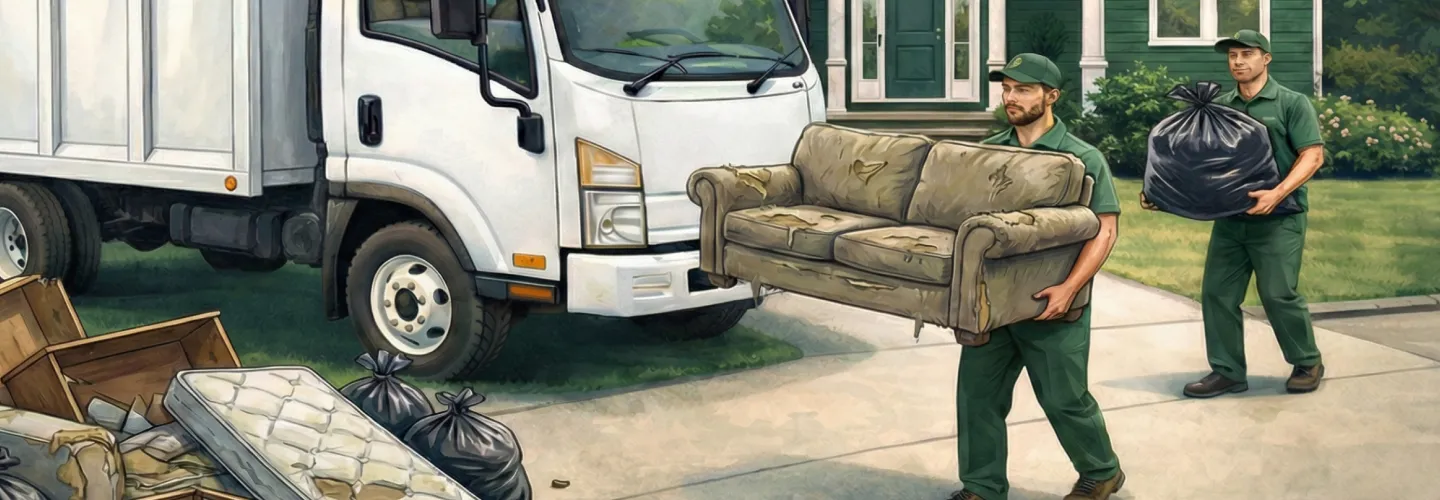
Dunwoody Estate Cleanout Services
Choose our estate cleanout services for respectful handling, efficient removal, and peace of mind during life's transitions—trust our experienced team to make the process smooth and stress-free.
Get a Free QuoteOur Dunwoody Junk Removal Services
Estate Cleanout in Dunwoody, GA – Local Service Guide
Estate cleanout in Dunwoody, GA, requires careful planning and local expertise, whether you’re handling a family transition in neighborhoods like Wyntercreek or prepping a property in Georgetown. For residential items such as furniture, mattresses, and appliances, cleanouts often follow major life events, seasonal upgrades, or storm damage. Many residents opt to donate usable goods or recycle electronics, with logistics shaped by driveway access, weather, and the size of items—especially in areas with mature tree coverage. For residential spaces like garages, basements, and yards, spring and fall are peak times for decluttering, especially after heavy rains or during yard waste cycles. Commercial cleanouts in Dunwoody Village or Perimeter Center often involve offices or retail spaces, requiring discreet, timely removal to minimize business disruption. Specialty services—such as for hoarding, foreclosures, or construction debris—demand advance coordination and compliance with local disposal rules. For guidance on permits and disposal, consult the Dunwoody Public Works Department.
Key Considerations for Estate Cleanout in Dunwoody
- Timing around seasonal weather and local events
- Permit requirements for large-scale disposals
- Approved disposal and recycling channels
- Property access and parking logistics
- Volume and category of items (e.g., appliances, yard waste)
- Coordination with city schedules and neighborhood guidelines
Benefits of Estate Cleanout in Dunwoody
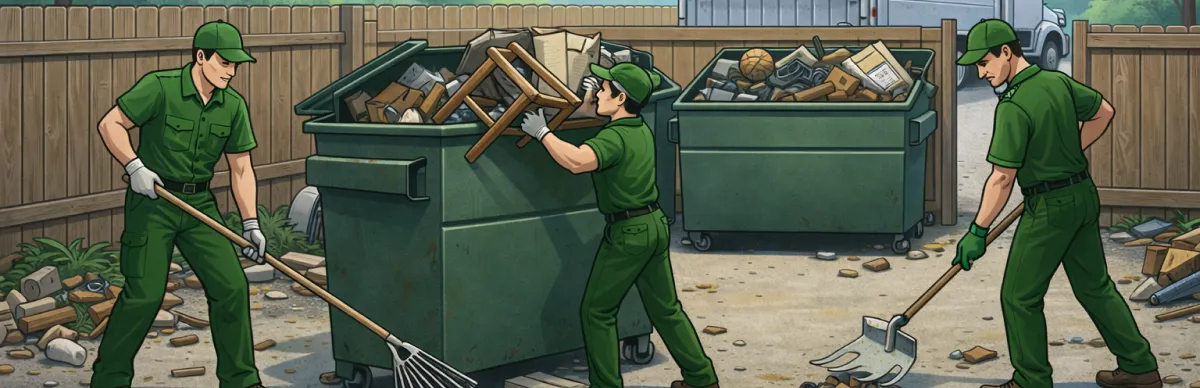
Fast and Efficient Service
Experienced Cleanout Professionals
Eco-Friendly Disposal Solutions
Transparent Upfront Pricing
Flexible Scheduling Options
Comprehensive Estate Cleanout Solutions
Coordinating Estate Cleanout Disposal Through Dunwoody's Public Works and DeKalb County Services
Estate cleanout projects in Dunwoody generate substantial volumes of mixed materials requiring coordination with multiple municipal and county agencies. Because Dunwoody is located within DeKalb County, residential solid waste collection—including bulk item pickup—is administered through DeKalb County Sanitation Division rather than directly by the city. Residents undertaking estate cleanouts should be aware of the following disposal coordination requirements:
- Bulk item pickup must be scheduled through DeKalb County Sanitation; items must be placed curbside and separated from regular household waste
- Appliances, furniture, and oversized items require advance scheduling and may not be collected during standard weekly service
- Construction or renovation debris generated during estate property preparation is not accepted through residential curbside collection
- Yard waste and organic materials cleared from estate properties must be bundled or containerized separately per county guidelines
- Dunwoody's Public Works Department oversees infrastructure and stormwater concerns that may arise during large-scale cleanout operations involving heavy truck traffic or debris staging
Dunwoody Public Works Department
4800 Ashford Dunwoody Road, Dunwoody, GA 30338
Phone: (678) 382-6850
Official Website: Dunwoody Public Works Department
Hazardous Materials and Prohibited Items Encountered During Dunwoody Estate Cleanouts
Estate properties—particularly those built before 1978—frequently contain hazardous materials that are strictly prohibited from curbside collection and standard landfill disposal. Georgia's Solid Waste Management Act (O.C.G.A. § 12-8-20 et seq.) establishes statewide requirements for proper handling and disposal of hazardous substances. Common hazardous items discovered during estate cleanouts include:
- Lead-based paint in older homes, requiring compliance with the EPA Renovation, Repair, and Painting Rule for any disturbance of painted surfaces
- Asbestos-containing materials such as floor tiles, insulation, and pipe wrapping found in pre-1980 construction; licensed abatement contractors must handle removal
- Household chemicals including paint thinners, pesticides, pool chemicals, and cleaning solvents
- Propane tanks, motor oil, and automotive batteries that require specialized recycling or disposal
- Medications and medical supplies sometimes found in large quantities in estate settings
DeKalb County hosts periodic Household Hazardous Waste collection events where residents can dispose of these materials at no charge. Contact DeKalb County Sanitation for upcoming event dates and accepted item lists. The Georgia Environmental Protection Division provides additional guidance on proper hazardous waste handling and licensed disposal facilities throughout the state.
Dunwoody Building Codes and Permit Requirements for Estate Property Renovation Debris
When estate cleanouts involve structural modifications—such as removing built-in cabinetry, demolishing interior walls, or clearing attached structures—Dunwoody's Community Development Department requires appropriate building permits before work begins. Failure to obtain permits may result in code enforcement action, fines, or complications during future property sales. Key permit and code considerations include:
- Demolition permits are required for removal of structural elements, load-bearing walls, or attached structures on estate properties
- Electrical and plumbing disconnection must be performed by licensed contractors before removing fixtures or appliances connected to building systems
- Tree removal permits may be necessary if estate cleanout involves clearing overgrown vegetation or removing trees with a diameter at breast height exceeding thresholds established under Dunwoody's tree regulations
- Stormwater protection measures must be maintained during debris staging and removal to prevent sediment or pollutant discharge into storm drains, as regulated by the Dunwoody Stormwater Division
Dunwoody Community Development Department
4800 Ashford Dunwoody Road, Dunwoody, GA 30338
Phone: (678) 382-6800
Official Website: Dunwoody Community Development
Recycling, Donation, and Landfill Diversion Strategies for Dunwoody Estate Cleanouts
Estate cleanouts present significant opportunities for material recovery and landfill diversion. The Dunwoody Sustainability Committee encourages residents to prioritize reuse and recycling before disposing of estate contents. Responsible sorting and diversion practices include:
- Furniture and household goods in usable condition may be donated to organizations such as local Habitat for Humanity ReStore locations or Goodwill facilities serving the north metro Atlanta area
- Electronics and e-waste—including televisions, computers, printers, and small appliances—should not be placed in regular trash; DeKalb County and various metro Atlanta retailers offer electronics recycling drop-off options
- Scrap metal from appliances, fixtures, and structural components can be directed to licensed scrap metal recyclers, diverting heavy materials from landfills
- Appliances containing refrigerants (refrigerators, air conditioners, dehumidifiers) require certified refrigerant recovery per EPA Section 608 regulations before recycling or disposal
- Textiles, books, and kitchenware are commonly accepted by charitable organizations and should be separated during the sorting process
Proper material separation at the estate property reduces disposal costs and supports Georgia's waste reduction objectives.
Safety Protocols and Professional Standards for Estate Cleanout Operations in Dunwoody
Estate cleanout work involves physical hazards and potential exposure to biological or chemical contaminants, particularly in properties that have been unoccupied or neglected. OSHA workplace safety standards apply to all professional cleanout crews operating in Dunwoody. Essential safety considerations include:
- Personal protective equipment (PPE) including gloves, respirators, eye protection, and steel-toed footwear should be used when handling unknown materials or working in dusty environments
- Biological hazards such as mold, rodent droppings, insect infestations, and animal remains are common in long-vacant estate properties and require appropriate containment and disposal procedures
- Heavy lifting protocols must be followed for furniture, appliances, and packed boxes; equipment such as dollies, hand trucks, and stair-climbing devices reduces injury risk
- Structural integrity assessment should be conducted before entering attics, basements, or outbuildings that may have deteriorated during periods of vacancy
- Fire safety clearance must be maintained during debris staging; contact DeKalb County Fire Rescue if structural fire hazards are identified during cleanout operations
DeKalb County Fire Rescue Department
Phone: (404) 294-2781
Official Website: DeKalb County Fire Rescue
What Neighborhoods Do We Serve Throughout Dunwoody, GA?
- Dunwoody Village: This established neighborhood features homes dating to the 1960s and 1970s, increasing the likelihood of encountering lead paint, asbestos materials, and outdated wiring during estate cleanouts. Mature tree canopy may require coordination with tree removal regulations for overgrown properties.
- Georgetown: A large residential community with HOA oversight that may impose restrictions on debris staging, truck parking duration, and curbside material placement during estate cleanout operations. Advance HOA notification is recommended.
- Winters Chapel: Properties in this area include a mix of older single-family homes and townhomes. Narrow interior layouts and limited garage access may require additional labor for furniture and appliance removal through tight hallways and stairwells.
- Perimeter Center: This mixed-use district includes condominiums and high-rise residential buildings where estate cleanouts require coordination with building management for service elevator reservations, loading dock scheduling, and certificate of insurance documentation.
- Branches: A well-established subdivision with larger estate-sized homes that may generate high volumes of furniture, personal property, and stored items. Wide driveways and cul-de-sac streets generally accommodate removal vehicles without access complications.
- Jett Ferry: Residential properties near the Jett Ferry Road corridor include homes from multiple construction eras. Estate cleanouts in this area may involve clearing both interior contents and exterior structures such as sheds and detached workshops.