
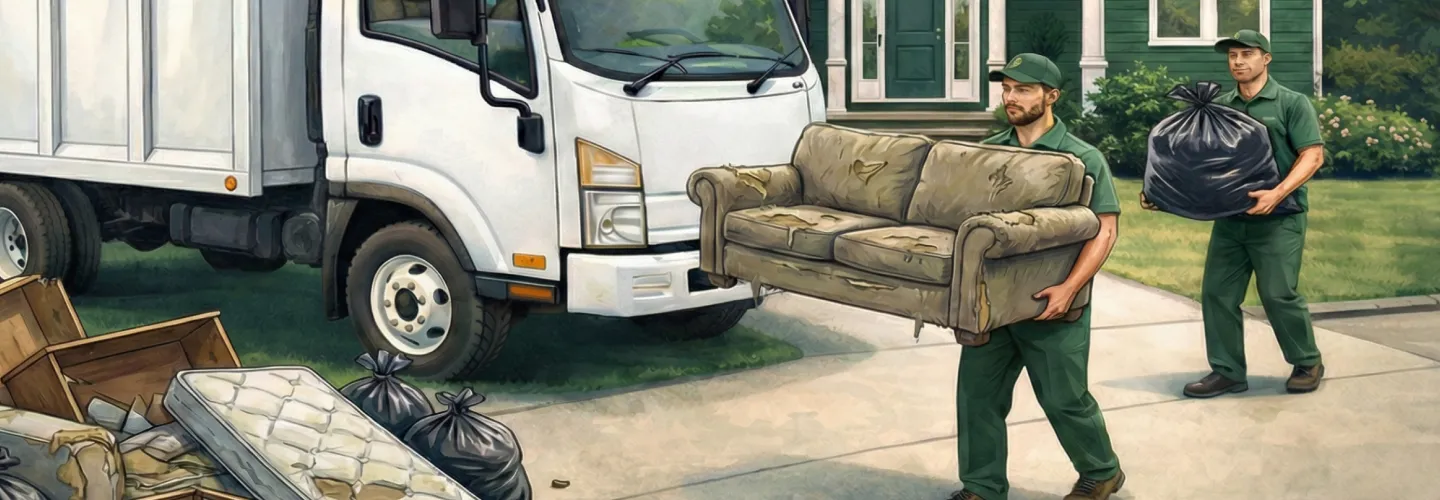
Dunwoody Foreclosure Clean Outs Services
Choose our foreclosure clean out services for prompt, thorough, and stress-free property cleanups—restoring homes to market-ready condition with professionalism and care.
Get a Free QuoteOur Dunwoody Junk Removal Services
Foreclosure Clean Outs in Dunwoody, GA – Local Service Guide
Foreclosure clean outs in Dunwoody, GA require a tailored approach to address the unique needs of local properties, from residential neighborhoods like Georgetown and Wyntercreek to commercial corridors along Ashford Dunwoody Road. For residential items such as furniture, mattresses, and appliances, clean outs often coincide with spring moves, estate transitions, or after storm seasons. Many items can be donated or recycled, but larger pieces—like hot tubs or sheds—may require special equipment and careful planning due to Dunwoody’s tree-lined lots and variable weather. For residential spaces, garages and basements in flood-prone areas like North Springs may need urgent attention after heavy rains, while yard waste peaks during fall leaf cycles. Commercial properties, including offices and retail spaces near Perimeter Center, often need discreet, after-hours service to minimize business disruption and handle higher volumes. Specialty clean outs, such as for hoarding or construction debris, demand coordination with property managers and adherence to local disposal regulations. For all projects, understanding Dunwoody’s permitting and disposal rules is essential—see the Dunwoody Public Works Department for official guidelines.
Benefits of Foreclosure Clean Outs in Dunwoody
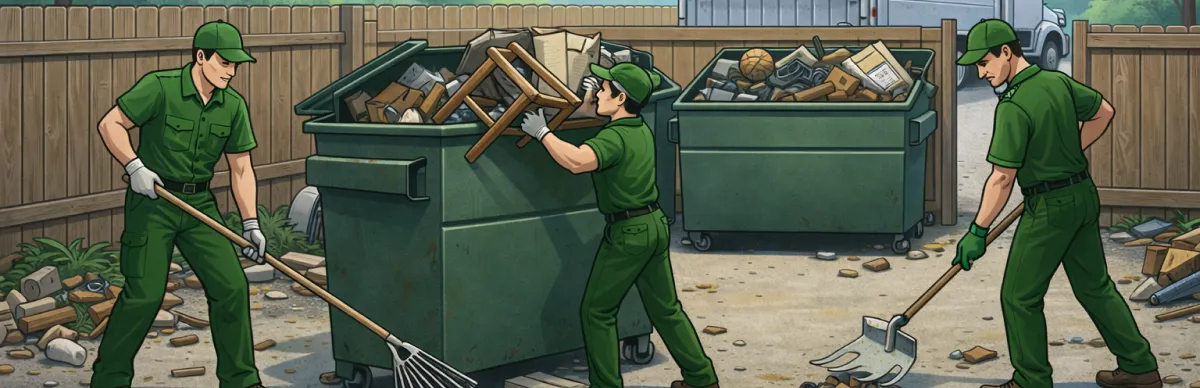
Fast Turnaround Times
Comprehensive Property Cleaning
Experienced Clean Out Professionals
Eco-Friendly Disposal Solutions
Flexible Scheduling Options
Affordable Foreclosure Clean Out Rates
Coordinating Foreclosure Clean Outs with Dunwoody's Code Enforcement and Community Development
Foreclosure clean outs in Dunwoody require careful coordination with municipal authorities to ensure compliance with local property maintenance codes. The Dunwoody Community Development department oversees zoning, permitting, and code enforcement activities that directly affect how foreclosed properties are cleared and restored. Before beginning any clean out, responsible parties should verify the following:
- Property access authorization — Confirm legal right of entry through the foreclosing lender, servicer, or court order before removing any items from the premises
- Code violation notices — Review any outstanding code enforcement citations on the property, as unresolved violations may dictate cleanup priorities
- Permit requirements — Structural modifications or demolition work during clean outs require building permits through Dunwoody Building Codes
- Noise ordinance compliance — Dunwoody enforces noise restrictions; heavy equipment and removal activities should be scheduled during permitted daytime hours
- Debris containment — All waste must be contained on the property during the clean out process to prevent stormwater contamination and neighborhood complaints
Dunwoody Community Development Department
4800 Ashford Dunwoody Road, Dunwoody, GA 30338
Phone: (678) 382-6800
Official Website: Dunwoody Community Development
Hazardous Material Identification and Safe Handling During Dunwoody Foreclosure Clean Outs
Foreclosed properties in Dunwoody frequently contain hazardous materials that require specialized handling before general debris removal can proceed. Many homes in the area were constructed before 1978, raising the risk of lead-based paint and asbestos-containing materials. The EPA Renovation, Repair, and Painting Rule mandates lead-safe work practices for any disturbance of painted surfaces in pre-1978 structures. Clean out crews must be prepared to identify and segregate the following hazardous items commonly found in foreclosed homes:
- Paints, solvents, and chemical cleaners — Cannot be disposed of in regular waste streams; must be taken to DeKalb County's Household Hazardous Waste facility
- Pesticides and lawn chemicals — Require separate containment and disposal through authorized hazardous waste collection events
- Propane tanks and gas canisters — Prohibited from landfill disposal; must be returned to retailers or taken to designated collection points
- Refrigerant-containing appliances — Refrigerators, air conditioners, and dehumidifiers require certified refrigerant recovery per EPA Section 608 regulations before disposal
- Batteries (lead-acid and lithium) — Banned from landfills in Georgia; must be recycled through retail takeback programs or designated drop-off locations
The Georgia Environmental Protection Division enforces state solid waste regulations governing hazardous material handling and disposal throughout DeKalb County, including Dunwoody.
Georgia Environmental Protection Division (GA EPD)
2 Martin Luther King Jr. Drive SE, Suite 1456, Atlanta, GA 30334
Phone: (404) 656-4713
Official Website: Georgia Environmental Protection Division
Stormwater Protection and Environmental Compliance for Dunwoody Foreclosure Property Cleanups
Foreclosure clean outs generate significant volumes of debris that can impact Dunwoody's stormwater infrastructure if not properly managed. The Dunwoody Stormwater Division enforces pollution prevention measures to protect local waterways, including the Chattahoochee River watershed. Clean out operations must incorporate environmental safeguards throughout the removal process:
- Debris staging areas — Position waste collection points away from storm drains, ditches, and drainage swales on the property
- Sediment and erosion control — If clean out activities disturb soil or landscaping, install silt fencing or erosion barriers to prevent runoff
- Liquid waste containment — Spilled cleaning products, paint, or other liquids must be absorbed and contained immediately; never wash debris or chemicals into storm drains
- Yard waste separation — Overgrown vegetation, tree limbs, and organic debris cleared from foreclosed properties must be separated from household waste for proper disposal
- Vehicle fluid management — Abandoned vehicles on foreclosed properties may leak oil, coolant, or brake fluid requiring absorbent material and proper hazardous waste disposal
Dunwoody operates under a Municipal Separate Storm Sewer System (MS4) permit, making pollution prevention during property clean outs a regulatory obligation rather than a recommendation.
Dunwoody Stormwater Division
4800 Ashford Dunwoody Road, Dunwoody, GA 30338
Phone: (678) 382-6850
Official Website: Dunwoody Stormwater Division
Recycling and Material Recovery Requirements for Foreclosure Clean Out Debris in Dunwoody
Foreclosure clean outs typically produce large volumes of mixed materials, and Dunwoody's commitment to environmental stewardship — guided by the Dunwoody Sustainability Committee — encourages maximum diversion from landfills. Georgia does not currently have a mandatory mattress EPR program or comprehensive e-waste landfill ban, but responsible material recovery remains essential. Clean out crews should sort and separate the following material categories:
- Scrap metals — Copper piping, aluminum fixtures, steel appliances, and iron railings have resale value and should be directed to licensed scrap metal recyclers in the DeKalb County area
- Electronics and e-waste — Computers, televisions, printers, and other electronic devices should be taken to designated e-waste recycling facilities rather than disposed of in general waste
- Appliances — Large appliances such as refrigerators, washers, and dryers require refrigerant recovery certification before recycling; contact certified technicians for proper handling
- Furniture and household goods — Usable items in good condition may be donated to local organizations such as Habitat for Humanity ReStore or Goodwill, reducing landfill burden
- Construction and demolition debris — Drywall, lumber, concrete, and roofing materials should be separated for C&D recycling facilities when feasible
The Dunwoody Public Works Department can provide guidance on approved haulers and disposal facilities serving the Dunwoody area.
Dunwoody Public Works Department
4800 Ashford Dunwoody Road, Dunwoody, GA 30338
Phone: (678) 382-6850
Official Website: Dunwoody Public Works Department
Georgia Solid Waste Management Act Compliance for Foreclosure Property Disposal
All foreclosure clean out operations in Dunwoody must comply with the Georgia Comprehensive Solid Waste Management Act (O.C.G.A. § 12-8-20) administered by the Georgia Environmental Protection Division. This state law establishes the regulatory framework for solid waste handling, transportation, and disposal that applies to all clean out activities. Key compliance requirements include:
- Licensed haulers — All waste transported from foreclosure properties must be carried by haulers holding valid solid waste handling permits issued by GA EPD
- Approved disposal facilities — Debris must be delivered to permitted solid waste facilities; illegal dumping carries penalties of up to $25,000 per day per violation under Georgia law
- Manifest and documentation — Commercial clean out operators should maintain records of waste volumes, disposal facility receipts, and hauler credentials
- Tire disposal — Tires found on foreclosed properties are subject to Georgia's scrap tire management regulations and must be taken to permitted tire processors
- Special waste categories — Asbestos, medical waste, and other regulated materials require separate handling and disposal at facilities specifically permitted for those waste types
DeKalb County, which encompasses Dunwoody, operates transfer stations and recycling facilities that accept residential and commercial waste from foreclosure clean outs. Verify current hours, accepted materials, and fee schedules directly with the county before transporting debris.
What Neighborhoods Do We Serve Throughout Dunwoody, GA?
- Georgetown — This established subdivision features single-family homes dating to the 1970s and 1980s. Foreclosure clean outs here may involve older building materials requiring lead paint assessment, and tree-lined streets with moderate truck access along residential cul-de-sacs.
- Dunwoody Village — Located near the commercial center of Dunwoody, properties in this area include a mix of townhomes and single-family residences. Clean out crews should coordinate with HOA requirements and be mindful of parking restrictions near retail corridors.
- Winters Chapel — This neighborhood in northern Dunwoody includes diverse housing stock with varying lot sizes. Foreclosed properties here may have deferred landscaping maintenance requiring significant yard debris removal alongside interior clean out work.
- Branches — A well-established community with mature tree canopy that can limit overhead clearance for larger removal vehicles. Properties built in the 1970s may contain asbestos-containing materials in flooring or insulation.
- Peachford — Located near the DeKalb County border, this area includes both residential subdivisions and multi-family complexes. Foreclosure clean outs in apartment or condominium units require coordination with property management for building access and elevator use.
- Dunwoody Club Forest — This neighborhood features larger single-family homes on wooded lots. Extended driveways and setbacks may require additional staging logistics, and clean outs often involve substantial furniture and appliance volumes typical of larger residences.