
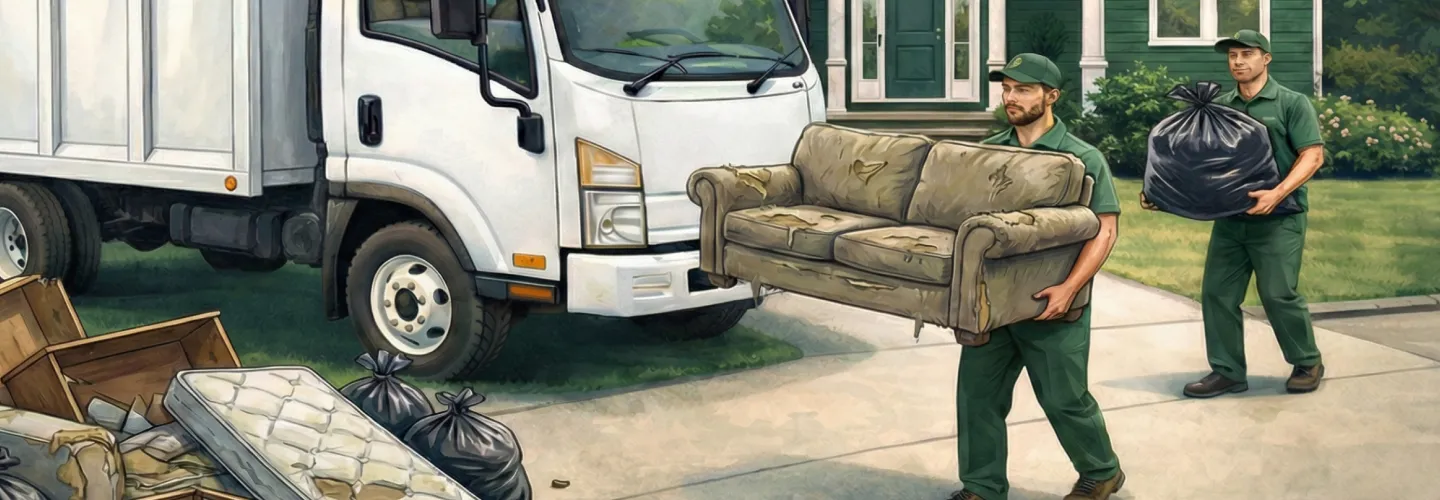
Dunwoody Storage Unit Cleanout Services
Choose our Storage Unit Cleanout for fast, reliable, and hassle-free service—our experienced team ensures your unit is cleared efficiently, saving you time and stress while maximizing your storage potential.
Get a Free QuoteOur Dunwoody Junk Removal Services
Storage Unit Cleanout in Dunwoody, GA – Local Service Guide
Storage unit cleanouts in Dunwoody, GA, require careful planning and local know-how. Whether you’re clearing out a unit after a move, downsizing, or managing an estate, timing and logistics matter. In neighborhoods like Georgetown and Perimeter Center, residents often schedule cleanouts during spring or after major life events, such as home renovations or family transitions. For residential items—furniture, mattresses, appliances, and electronics—options include donation, recycling, or responsible disposal, with local weather and unit access influencing scheduling. Commercial clients in areas like Dunwoody Village face unique needs, from discreet office cleanouts to large-scale warehouse removals, often requiring after-hours coordination and volume management. Specialty projects, such as estate or foreclosure cleanouts, demand extra planning and may involve coordination with property managers or legal representatives. For guidance on local disposal rules and sustainability resources, visit the Dunwoody Sustainability Committee.
Key Considerations for Storage Unit Cleanout in Dunwoody
- Seasonal timing (spring/fall, post-storm)
- Access and parking at storage facilities
- Proper disposal or recycling channels
- Volume and category of items (furniture, electronics, debris)
- Coordination with property managers or city requirements
- Permits for large-scale or specialty cleanouts
Benefits of Storage Unit Cleanout in Dunwoody
Fast and Efficient Cleanouts
Professional and Reliable Team
Affordable Pricing Options
Eco-Friendly Disposal Solutions
Flexible Scheduling
Comprehensive Junk Removal
Coordinating Storage Unit Cleanout Disposal with Dunwoody's Public Works and DeKalb County Services
Storage unit cleanouts in Dunwoody generate diverse waste streams that must be managed in accordance with municipal and county disposal requirements. Because Dunwoody is located within DeKalb County, residents and service providers must coordinate with both city and county agencies for proper material handling. DeKalb County operates the Seminole Road Landfill and transfer facilities that accept residential and commercial waste, including bulk items commonly found in storage units such as furniture, appliances, and household goods. Key considerations include:
- Sorting requirements: Separate recyclable metals, electronics, and hazardous materials before transport to disposal facilities
- Load documentation: Commercial haulers must maintain waste manifests for materials removed from storage facilities
- Facility hours: DeKalb County disposal sites typically operate Monday through Saturday; verify current schedules before transport
- Proof of residency: DeKalb County facilities may require valid identification or a utility bill for residential disposal rates
\n\n
Dunwoody Public Works Department
4800 Ashford Dunwoody Road, Dunwoody, GA 30338
Phone: (678) 382-6850
Official Website: Dunwoody Public Works Department
\n\n
Georgia Solid Waste Management Act Compliance for Storage Unit Material Disposal
All storage unit cleanout operations in Dunwoody must comply with the Georgia Comprehensive Solid Waste Management Act (O.C.G.A. § 12-8-20) administered by the Georgia Environmental Protection Division. This legislation establishes statewide standards for solid waste handling, transportation, and disposal that directly affect how materials removed from storage units are processed. Compliance obligations include:
- Transporter permits: Commercial haulers removing storage unit contents must hold valid solid waste handling permits issued by the Georgia Environmental Protection Division
- Prohibited disposal: Hazardous waste, including paints, solvents, automotive fluids, and batteries found in storage units, cannot be disposed of in municipal solid waste landfills
- Tire disposal: Tires discovered during cleanouts are subject to Georgia's scrap tire management regulations and must be delivered to permitted tire processors
- Appliance refrigerants: Units containing refrigerators, freezers, or air conditioners require EPA Section 608-certified refrigerant recovery before disposal
Failure to comply with state solid waste regulations may result in civil penalties and enforcement actions through the Georgia EPD's compliance division.
Recycling and Donation Diversion Strategies for Dunwoody Storage Unit Contents
Dunwoody's Sustainability Committee encourages landfill diversion through recycling and donation of reusable materials recovered during storage unit cleanouts. Many items stored in self-storage facilities—furniture, clothing, household goods, and electronics—retain value and can be redirected from the waste stream. Dunwoody-area diversion resources include:
- Furniture and household goods: Organizations such as Habitat for Humanity ReStore in the greater Atlanta area accept usable furniture, kitchenware, and home décor items for resale
- Electronics recycling: Computers, televisions, and peripherals must not be placed in regular waste; DeKalb County periodically hosts e-waste collection events for proper recycling
- Scrap metal recovery: Metal shelving, bed frames, and appliance components can be directed to licensed scrap metal facilities in the metro Atlanta area
- Textile recycling: Clothing and fabric items in good condition may be donated; damaged textiles can be processed through textile recycling programs
- Document shredding: Personal papers and files found in storage units should be securely destroyed to prevent identity theft before disposal
Prioritizing donation and recycling reduces disposal costs and supports Dunwoody's environmental stewardship goals.
Hazardous Material Identification and Safe Handling During Dunwoody Storage Unit Cleanouts
Storage units frequently contain hazardous materials that require specialized handling under both federal and Georgia state regulations. The Resource Conservation and Recovery Act (RCRA) establishes the federal framework for hazardous waste management, and Dunwoody residents must use designated facilities for proper disposal. Common hazardous items discovered during storage unit cleanouts include:
- Paints and solvents: Latex and oil-based paints, paint thinners, and staining products cannot enter the municipal waste stream
- Automotive fluids: Motor oil, antifreeze, brake fluid, and gasoline require delivery to authorized collection points
- Batteries: Lead-acid batteries are banned from landfills in all states; lithium and rechargeable batteries pose fire risks during transport and must be handled separately
- Pesticides and chemicals: Garden chemicals, pool supplies, and cleaning agents classified as hazardous waste require special disposal
- Propane tanks and aerosol cans: Pressurized containers present explosion hazards and are prohibited from standard waste collection
DeKalb County operates household hazardous waste collection events throughout the year. Contact DeKalb County Sanitation Division to confirm upcoming event dates, accepted materials, and drop-off procedures before transporting hazardous items from storage unit cleanouts.
Permits and Code Compliance for Storage Unit Cleanout Operations in Dunwoody
Storage unit cleanout projects in Dunwoody may require coordination with the city's Community Development Department, particularly when removal vehicles need to park in public rights-of-way or when large volumes of debris are staged for loading. Dunwoody's code enforcement division monitors commercial activity within the city to ensure compliance with local ordinances. Key regulatory considerations include:
- Business licensing: Commercial cleanout service providers operating in Dunwoody must maintain a valid business license through the city's Community Development Department
- Vehicle parking: Large removal trucks parked on public streets or blocking access lanes at storage facilities may require coordination with the Dunwoody Police Department for traffic safety
- Noise ordinances: Dunwoody enforces noise regulations that may restrict early morning or late evening cleanout operations in areas adjacent to residential neighborhoods
- Debris staging: Materials must not be left on sidewalks, roadways, or common areas of storage facility properties during the cleanout process
\n\n
Dunwoody Community Development Department
4800 Ashford Dunwoody Road, Dunwoody, GA 30338
Phone: (678) 382-6850
Official Website: Dunwoody Community Development
\n\n
\n\n
Dunwoody Police Department
4800 Ashford Dunwoody Road, Dunwoody, GA 30338
Phone: (678) 382-6900
Official Website: Dunwoody Police Department
\n\n
What Neighborhoods Do We Serve Throughout Dunwoody, GA?
- Dunwoody Village: This established commercial and residential area features older storage facilities with narrow access drives. Cleanout crews should anticipate tight turning radii for larger trucks and coordinate with facility managers regarding loading dock availability and gate access hours.
- Georgetown: A predominantly residential neighborhood with single-family homes, Georgetown residents frequently use nearby storage units for seasonal and transitional storage. Removal vehicles should observe residential street parking restrictions and neighborhood speed limits during operations.
- Winters Chapel: Located near the city's northern boundary, this area includes a mix of commercial storage facilities and residential properties. Proximity to Peachtree Industrial Boulevard provides efficient truck routing to county disposal and recycling facilities.
- Perimeter Center: This dense commercial district contains multi-story storage facilities with elevator access and loading dock requirements. Service providers must coordinate with building management for freight elevator reservations and comply with commercial parking regulations during business hours.
- Tilly Mill: A quiet residential area where storage unit cleanouts may involve estate or downsizing contents. Crews should be mindful of narrow residential streets and plan routes that minimize disruption to neighborhood traffic patterns.
- Kingsley: This neighborhood features a mix of townhomes and single-family residences near retail corridors. Storage facilities in the area may have HOA-adjacent restrictions on staging debris, requiring prompt loading and removal of all materials from the premises.